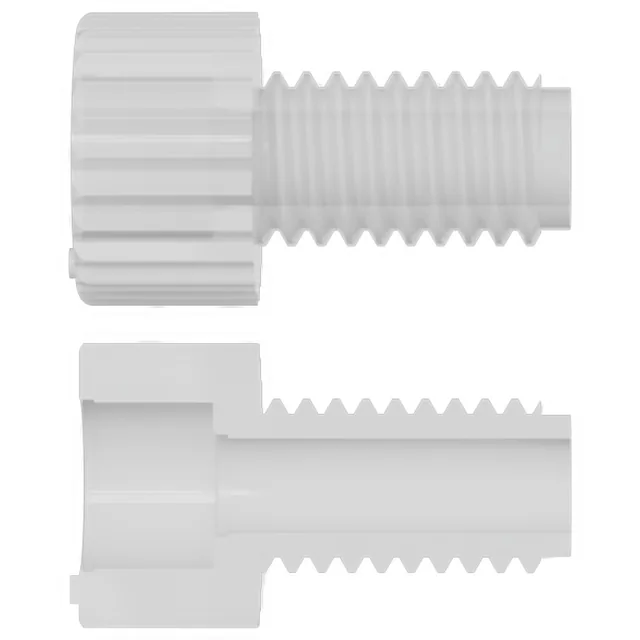
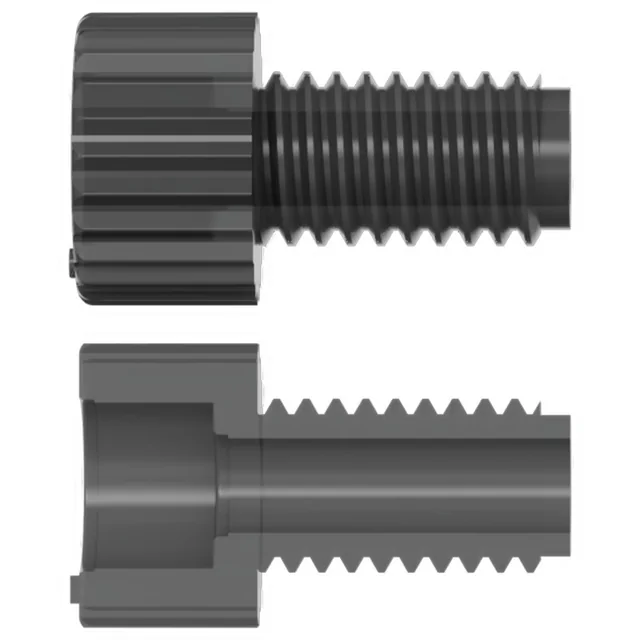
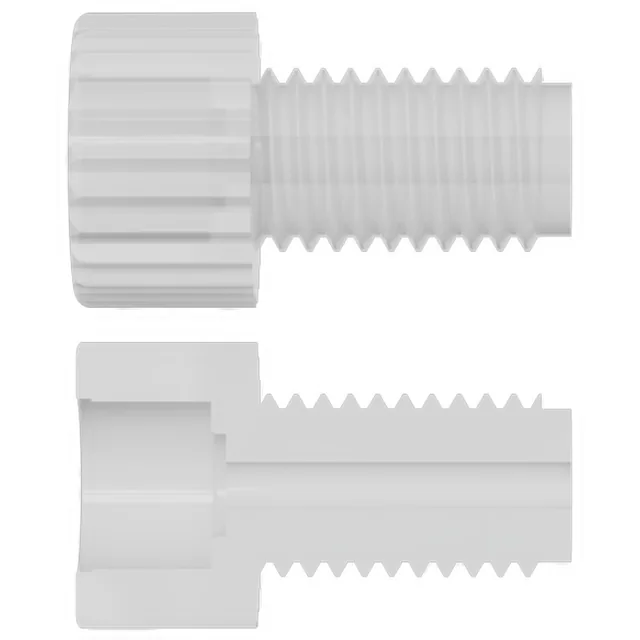
FOREACH microfluidic fittings connect tubing and adapt ports in in vitro diagnostics (IVD), life science, laboratory automation and analytical instruments. They connect pumps, valves, fluidic manifolds, liquid reservoirs and other equipment ports in reagent delivery, sample handling, washing, circulation and drainage lines. The range supports internal tubing layouts, rigid-to-flexible tubing transitions, connections through panels and removable external lines. Fittings and accessories provide straight connections, changes of direction, size transitions, flow splitting and flow merging; filters and check valves can be added for particle removal and backflow prevention.
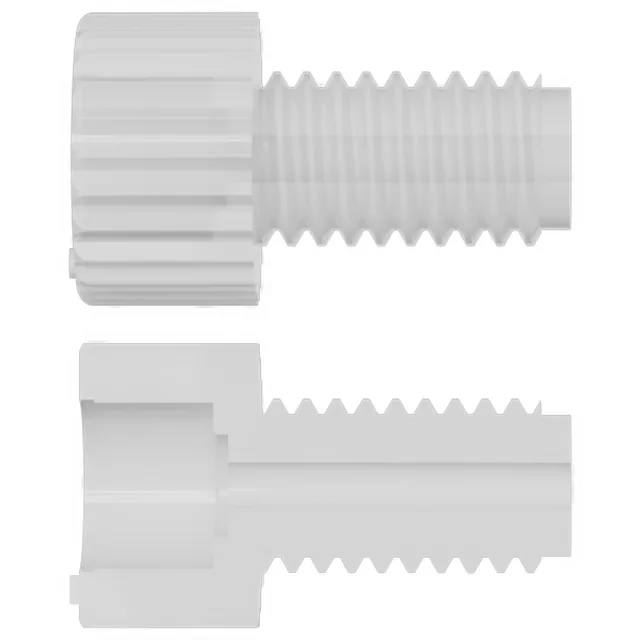
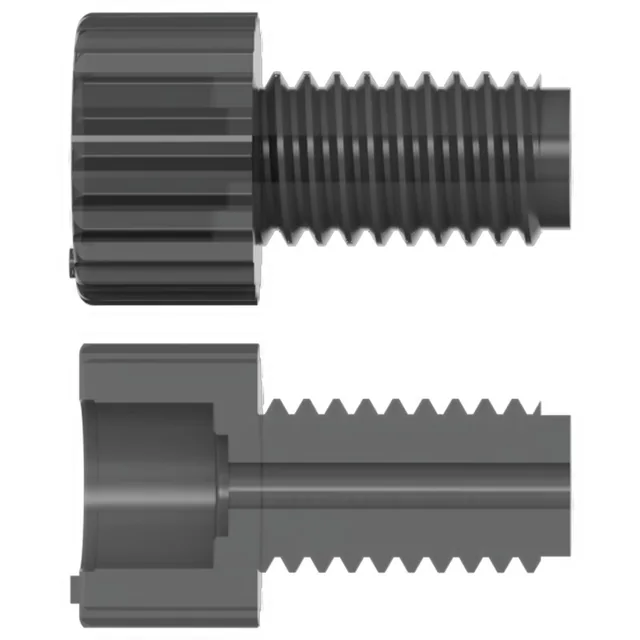
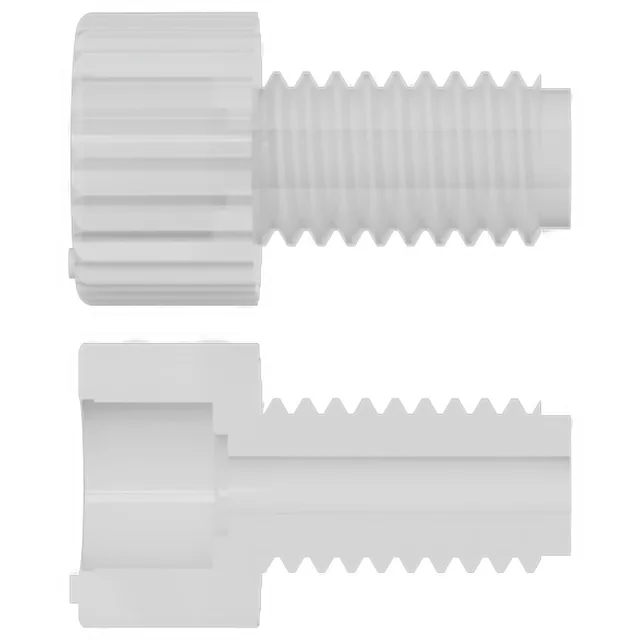
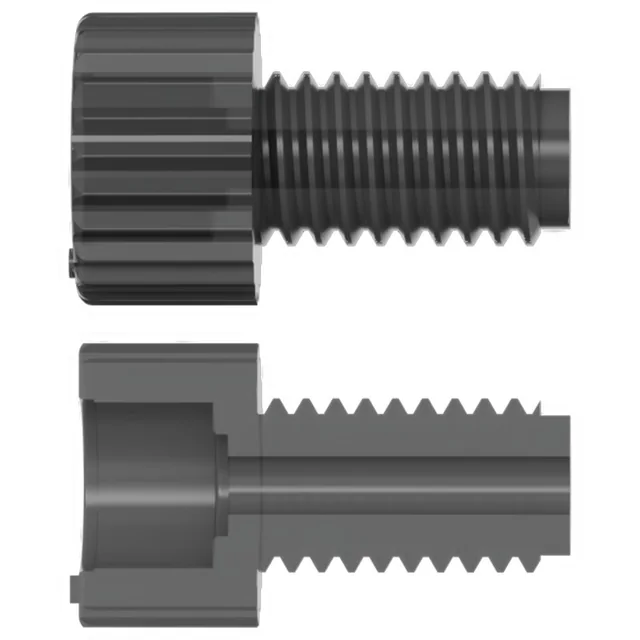
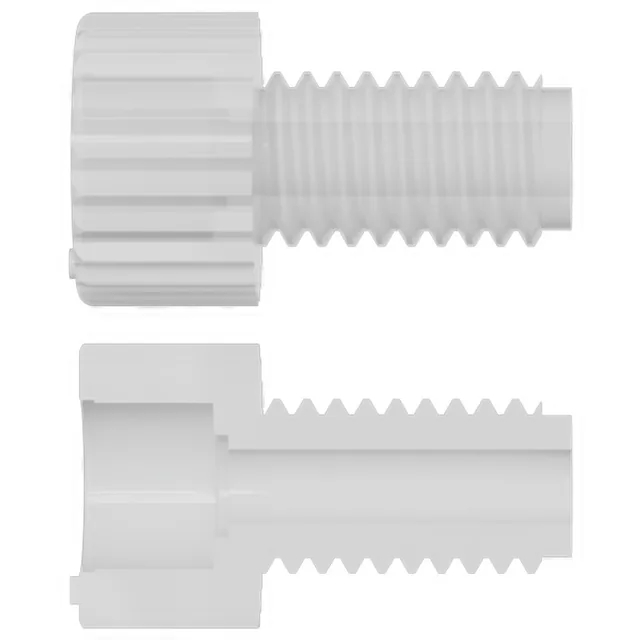
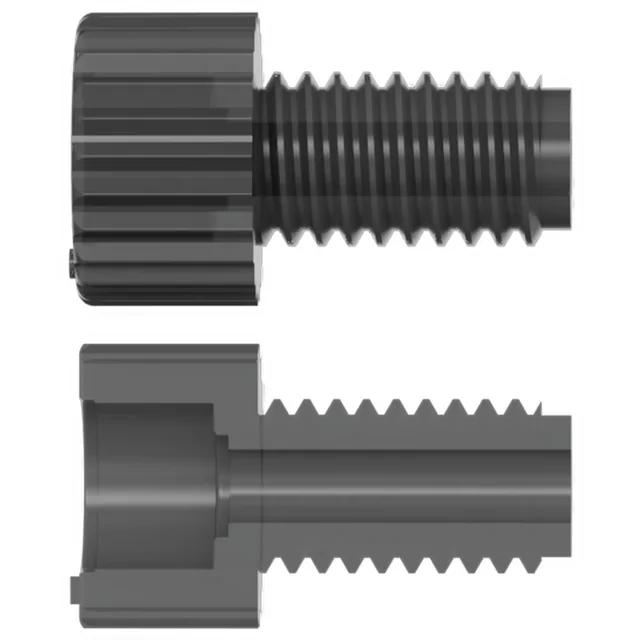
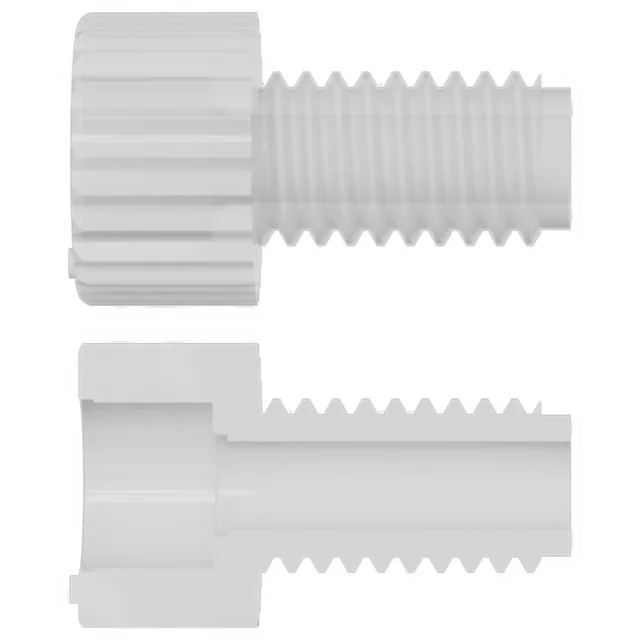
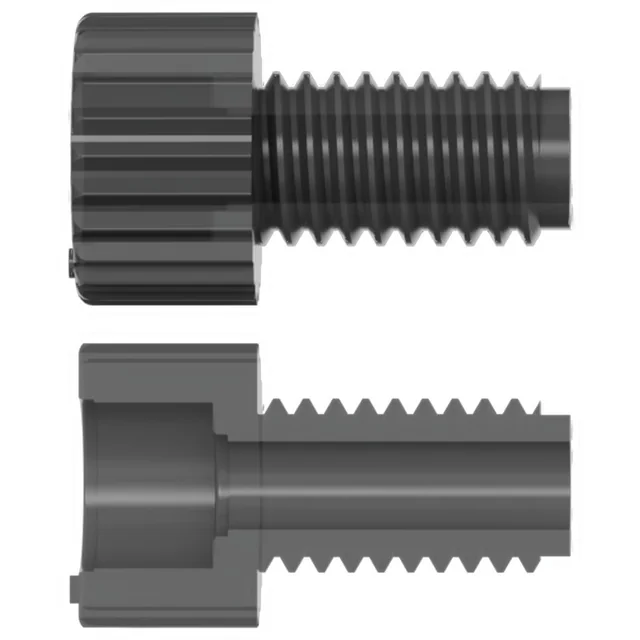
The range includes hard tube fittings, barbed fittings, thread-to-barb fittings, Luer fittings, quick-connect fittings, female thread adapters, bulkhead barbed fittings, filters and check valves. Hard tube fittings are available in flanged flat-bottom, ferrule, retaining-ring and high-pressure designs. Flexible-tubing fittings include straight, elbow, tee and reducing configurations. Luer and quick-connect fittings use mating male and female parts with the corresponding locking arrangements; quick-connect models also offer valved, non-valved and panel-mount versions. Port threads include M6×1, 1/4-28 UNF, 10-32 UNF and NPT. Connection sizes are selected by rigid tubing outside diameter (OD) or flexible tubing inside diameter (ID), with several internal bore sizes available. Body materials include PP, PA, POM, PVDF, PPS, PEEK and stainless steel, depending on the model, with seals matched to the tubing and connection. Custom FEP and PTFE tubing assemblies can be specified by length, end connections, locating features and line identification.
High-pressure fitting models offer pressure ratings up to 34 MPa. Filters with HDPE media are available with filtration ratings of 10 μm, 40–60 μm and 80–100 μm. Valved quick-connect fittings close the valved side when disconnected, while check valves prevent reverse flow. Products can be combined according to system working pressure, flow, pressure drop, filtration and maintenance needs. Sealing performance depends on the tubing, port, sealing geometry and assembly method. Material selection should account for the composition, concentration, temperature and contact time of process and cleaning fluids. Tubing size, port orientation, mounting method and accessories can then be chosen to suit the instrument layout and service access.