
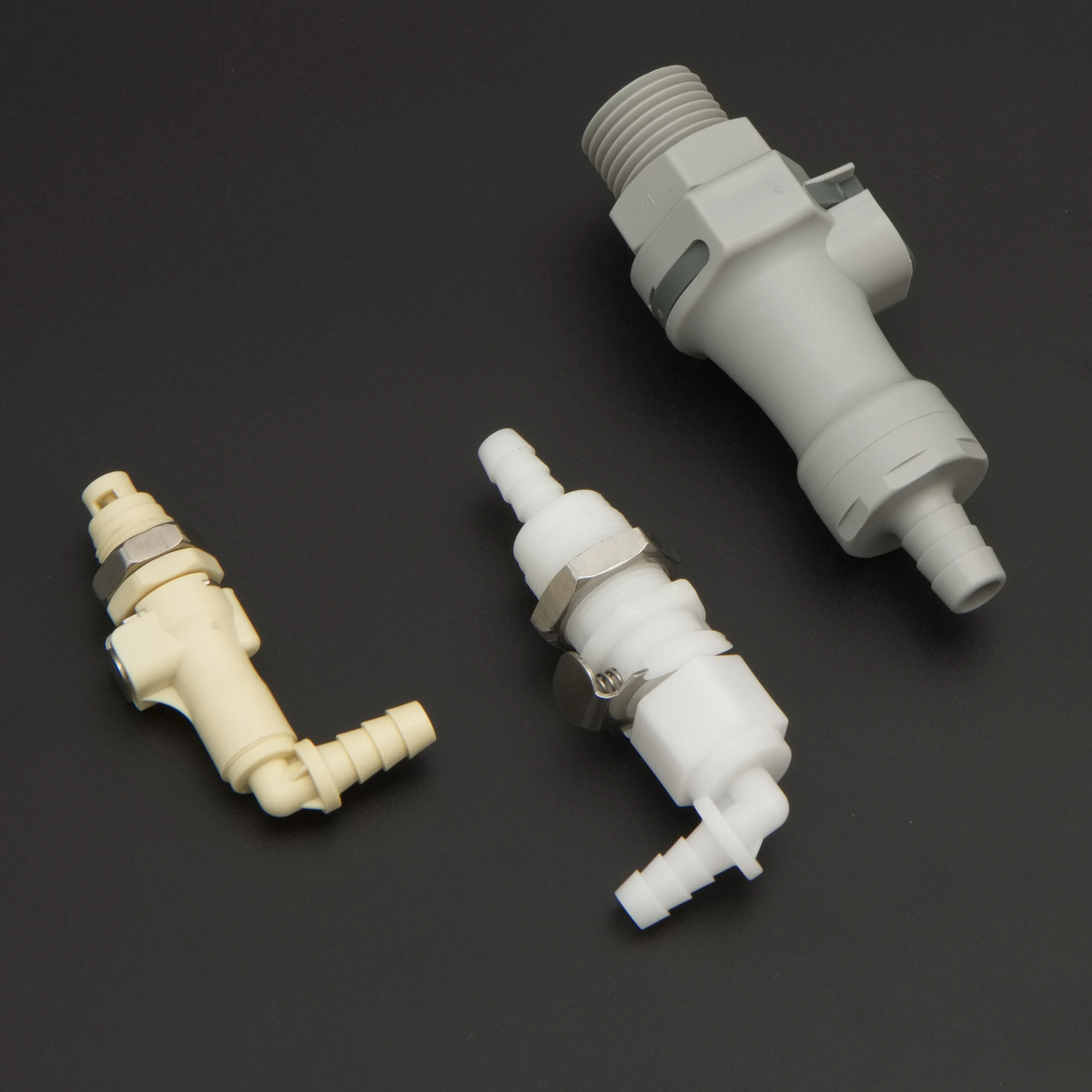
What Is a Quick Disconnect Fitting? Male/Female Connections, Valves and Selection
Select a quick disconnect for an instrument fluid path by checking the mating interface, shutoff requirements, tubing, seals and mounting space.
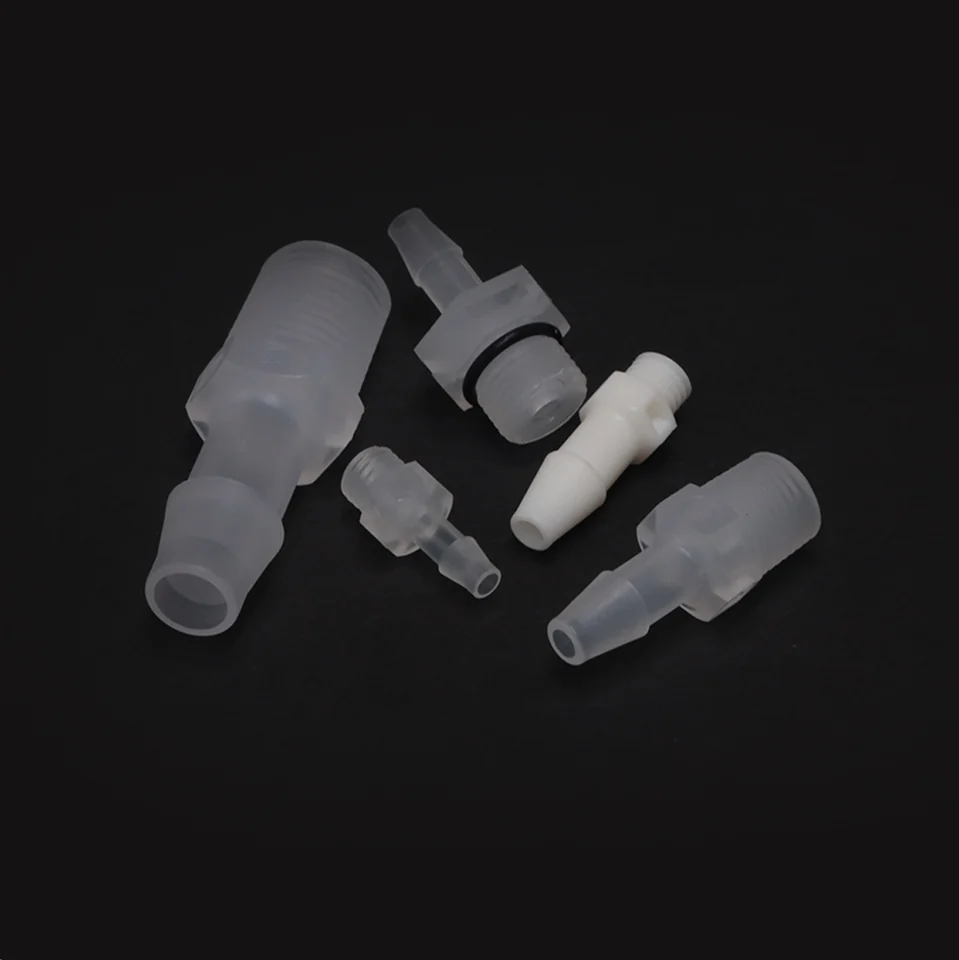
Thread-to-Barb Fitting Selection: Threads, Seals and Tubing Sizes
SA/SAL seal at the threads with auxiliary sealing material; SB/SBS/SBR seal by contact at the bottom face. Match UNF, NPT, metric or G1/8 threads and tubing ID. Even identical 1/4-28 UNF threads can use different sealing structures.
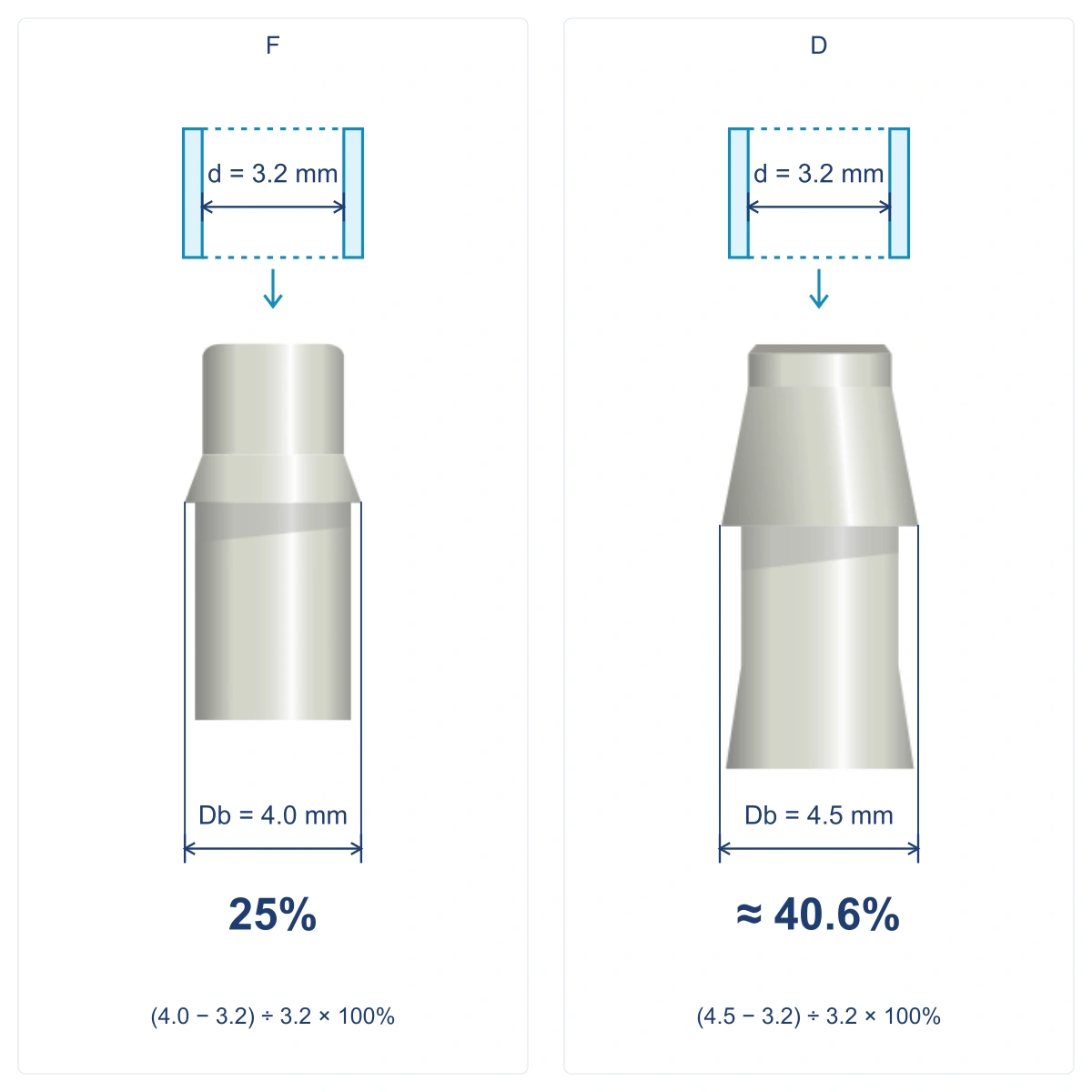
How to Calculate Barb Expansion Ratio: Tubing Dimensions, Profiles and Fit
Compare barb crest OD with the unassembled tubing ID, then check profile, tubing material and dimensional variation. Geometric expansion explains assembly differences but does not establish pressure rating or pull-off resistance.
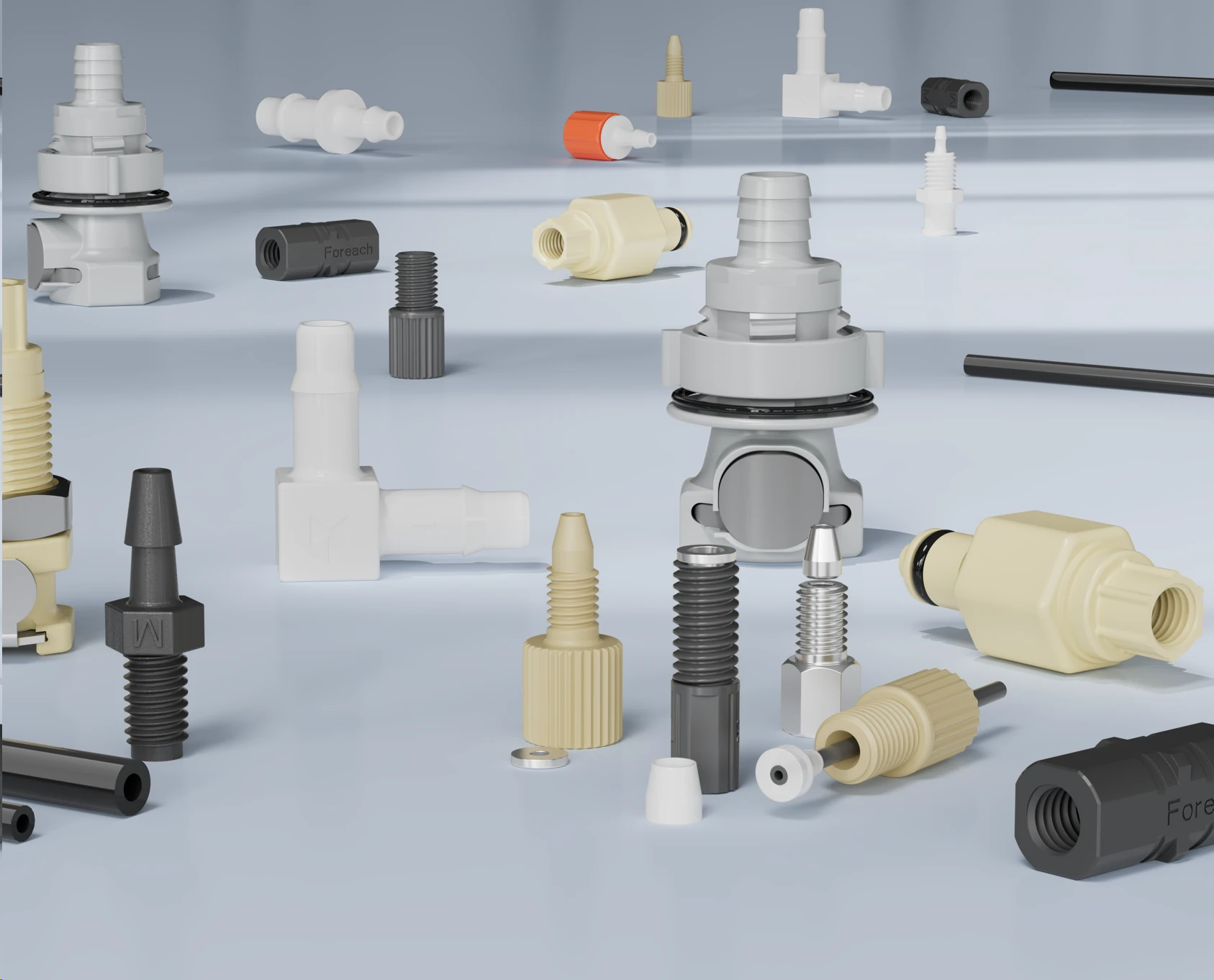
How to Choose Fitting Materials: PP, PA, POM, PVDF and PEEK
Compare five materials and their reference temperatures, then examine O-rings, complete-fitting temperatures and pressure ratings. Use these distinctions to select fittings, seals and tubing and plan validation before service.
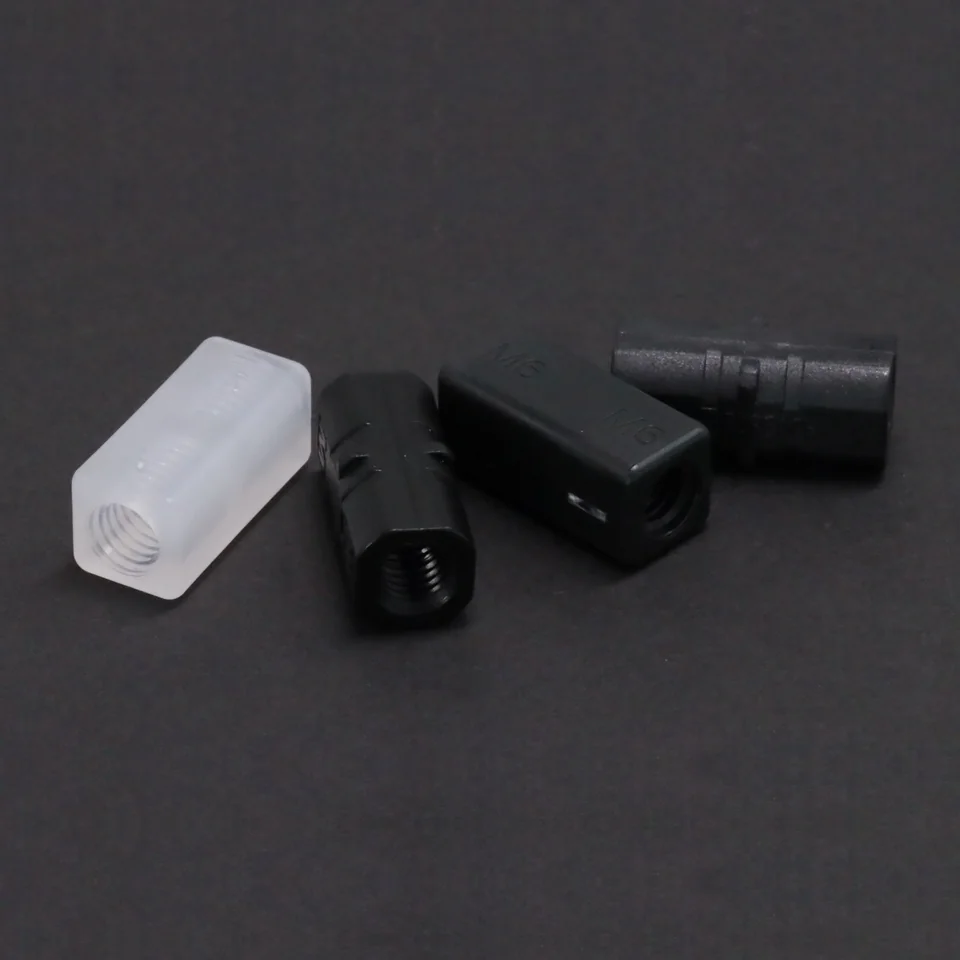
What Are Female Thread Unions? Selecting Straight, Tee, Y and Bulkhead Connections
Define the connection task first: joining two lines, branching or mounting through a panel. Then match every port and seal before selecting the bore, material and mounting arrangement.
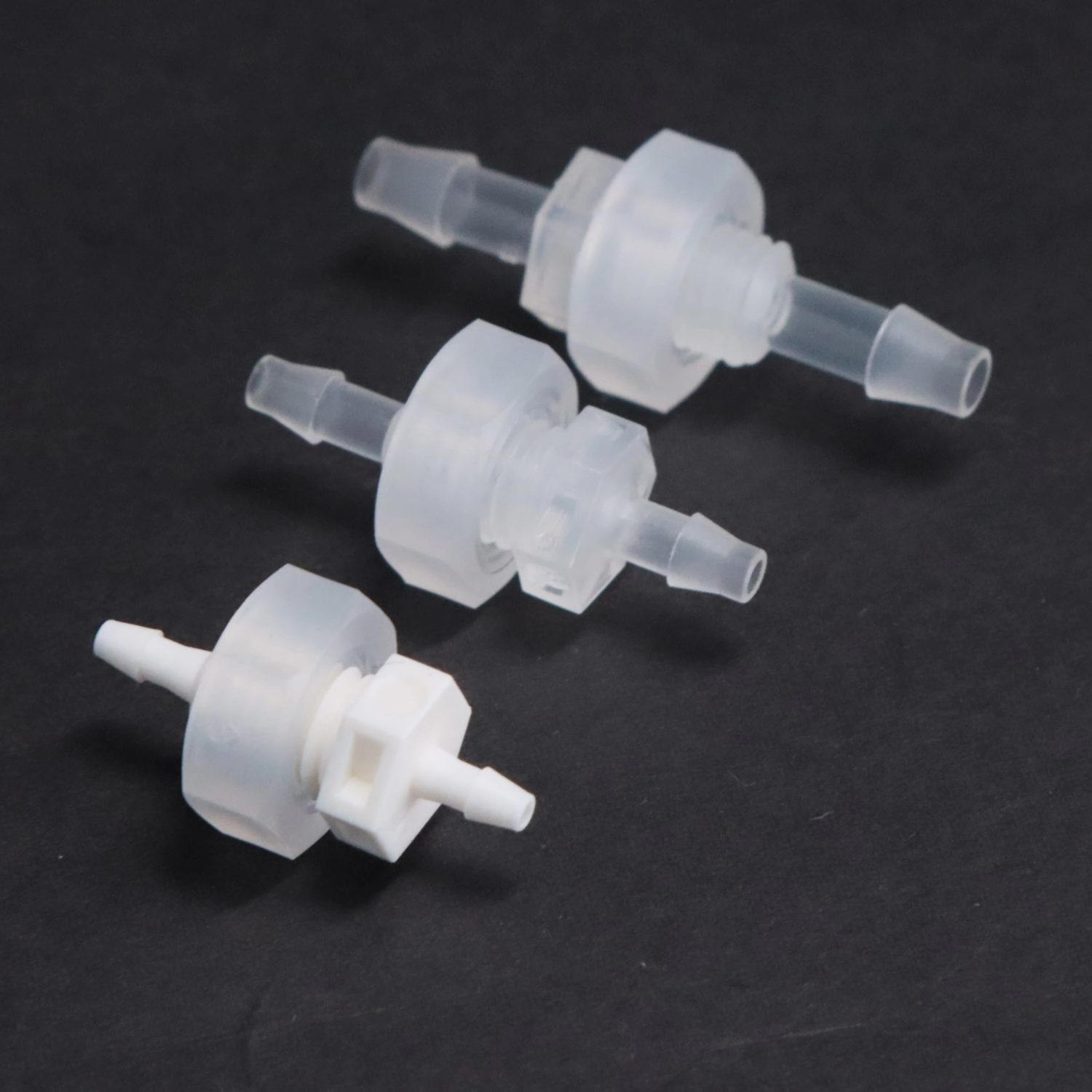
What Is a Bulkhead Barbed Fitting? Panel Mounting, Tubing Fit and Model Selection
Select a PMB bulkhead hose barb and PMBSN nut by tubing ID, PP/PA material and panel conditions. Use dimensions, diameter ratios and fault symptoms to complete the selection.
Need technical support for product selection?
Share your media, pressure range, tubing size, application conditions or drawings with Foreach for product matching and technical confirmation.