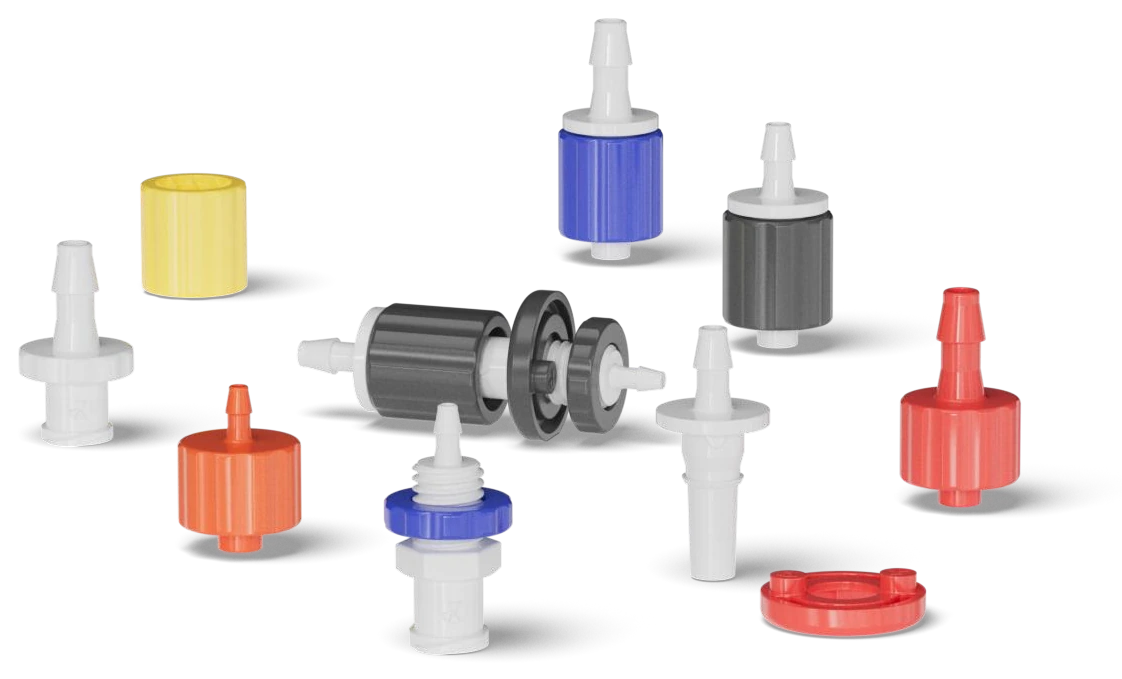
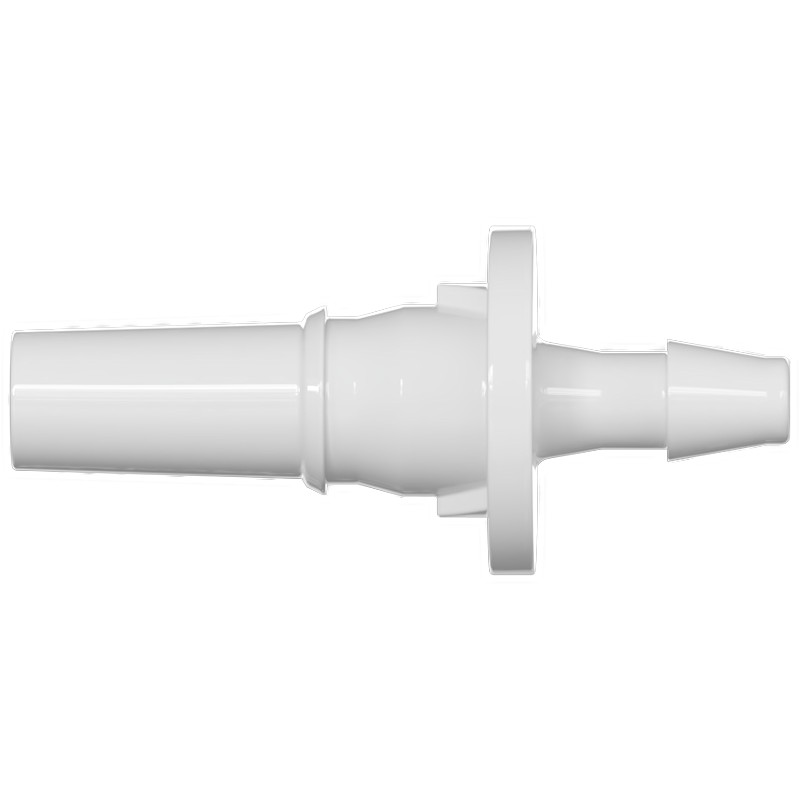
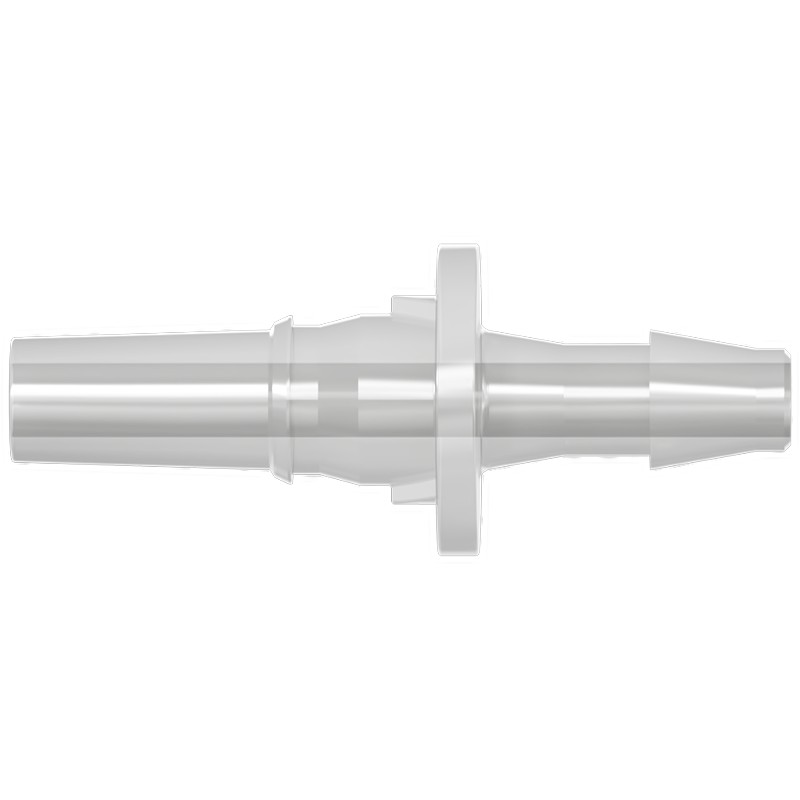
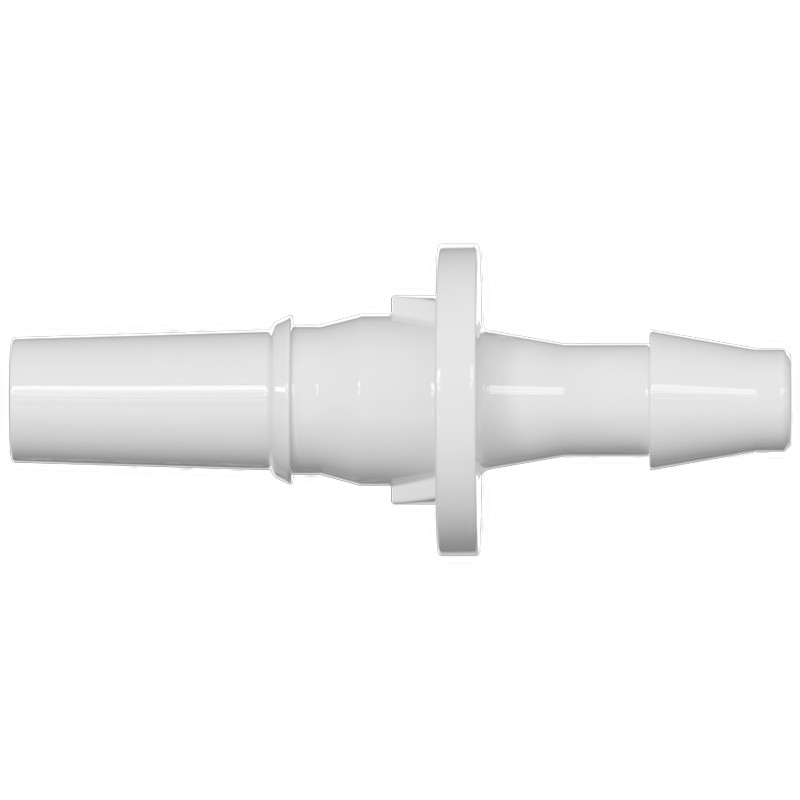
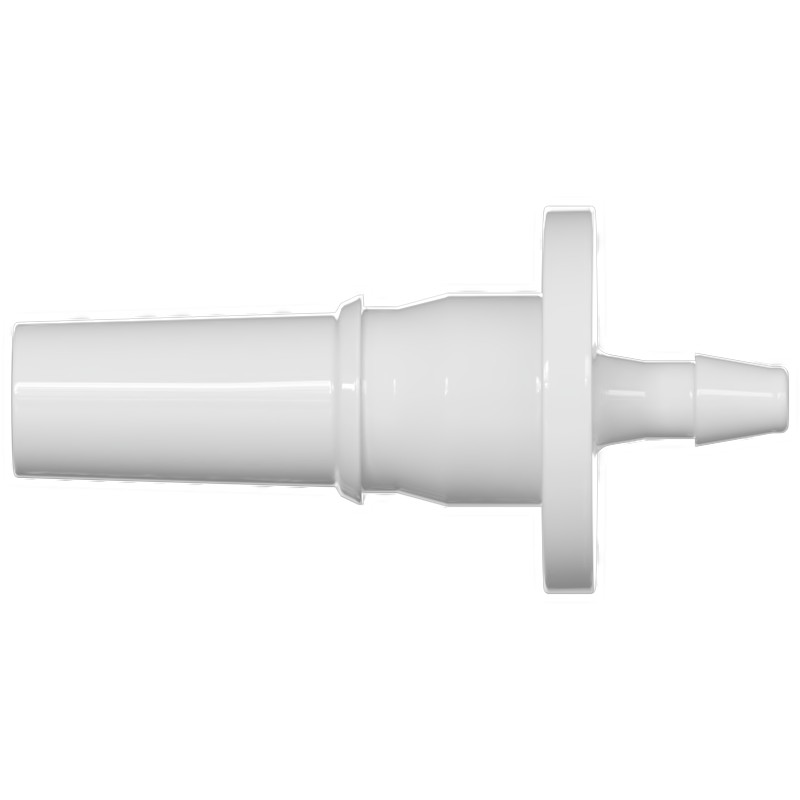
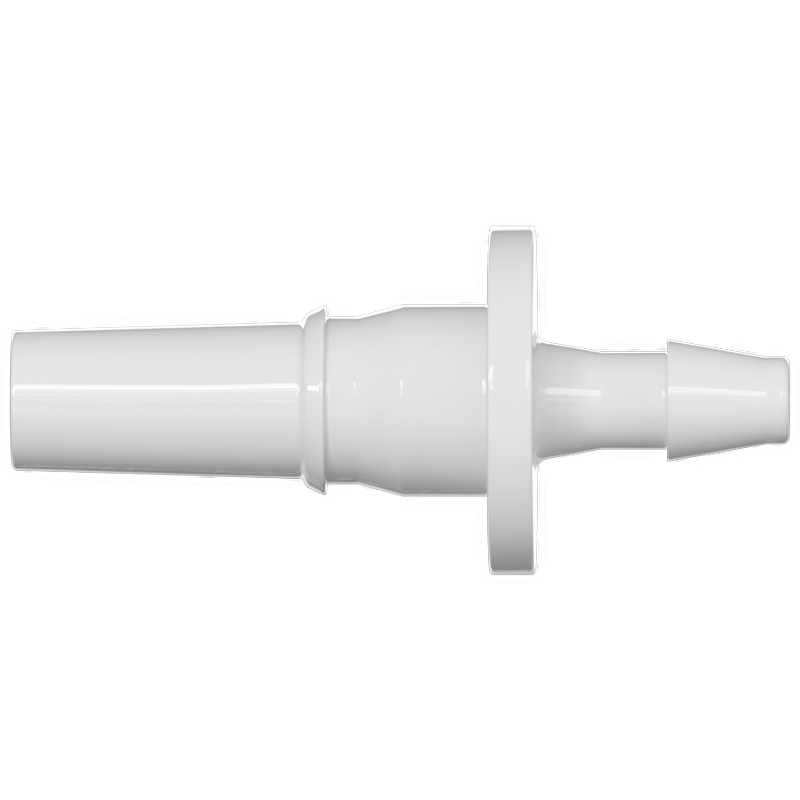
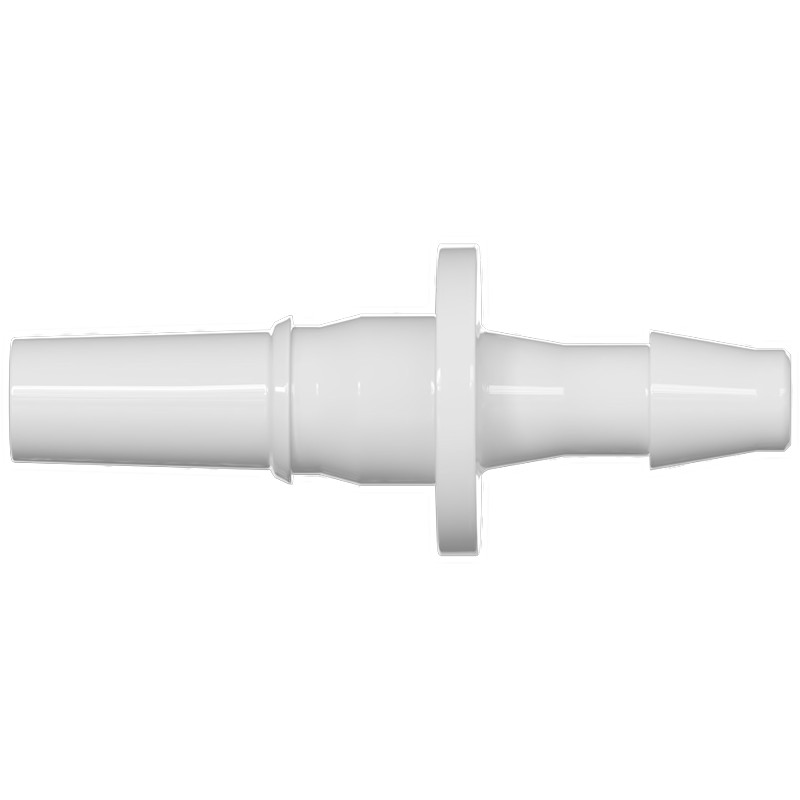
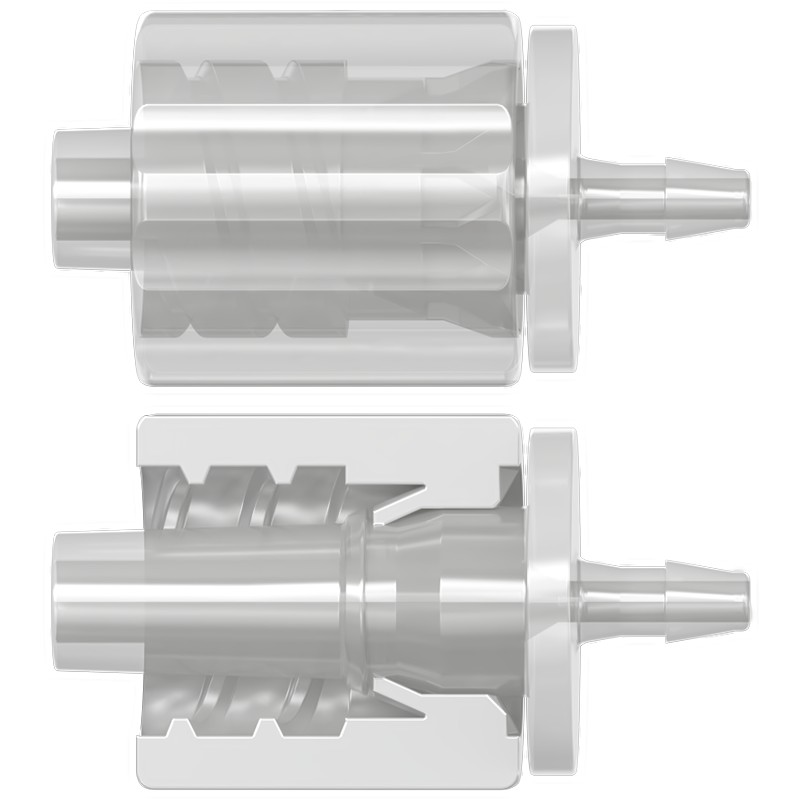
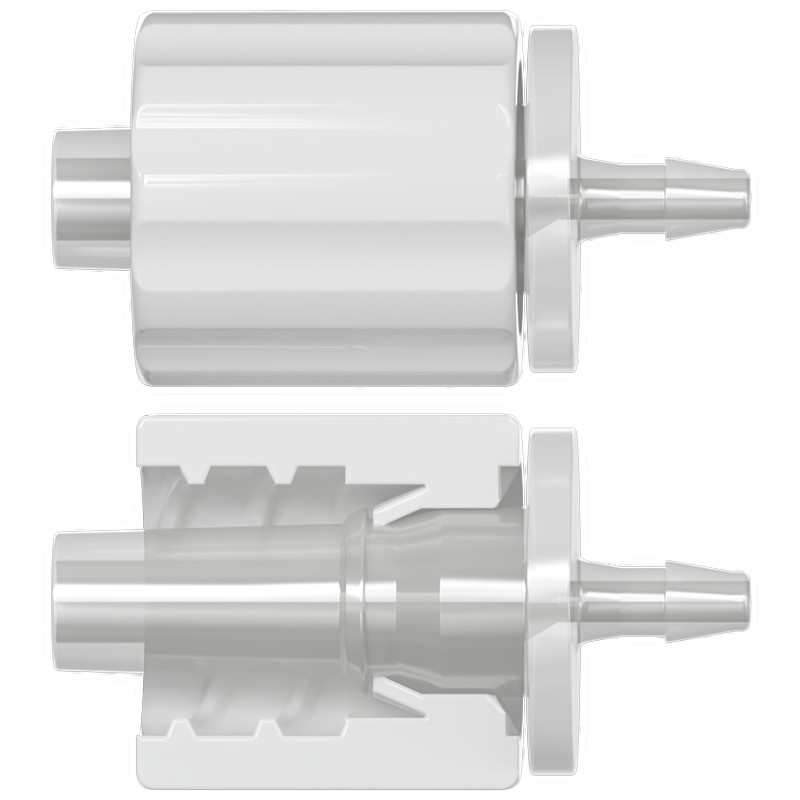
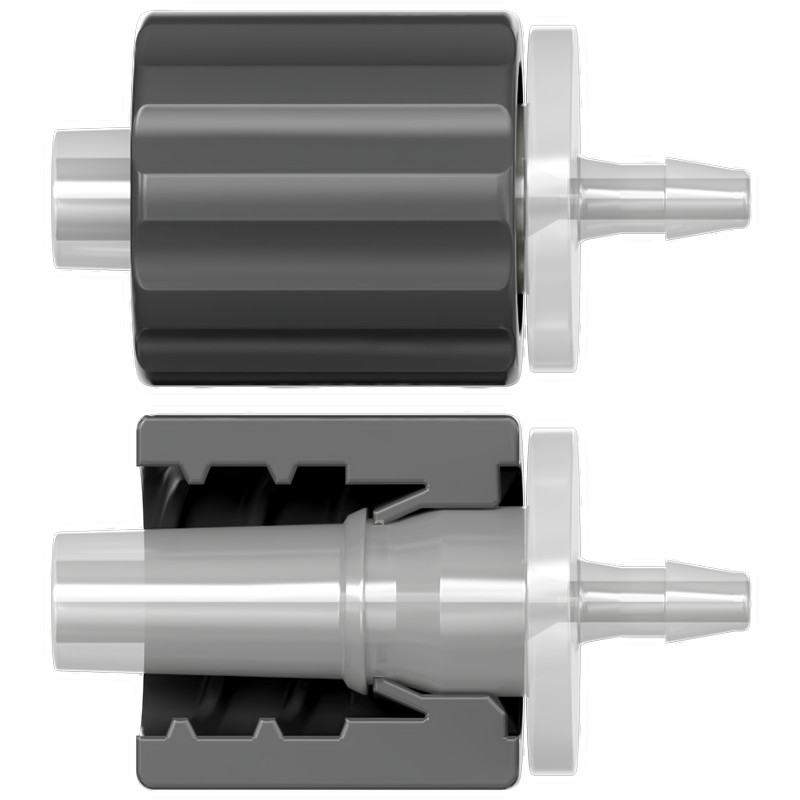
FOREACH Luer fittings provide detachable fluid connections in IVD, life science, laboratory automation and analytical instruments. They join male and female Luer interfaces or adapt a Luer interface to flexible tubing for liquid withdrawal, reagent delivery, sample handling, washing and other lines requiring disconnection. Locking designs and accessories support male-to-female connections, changes in tubing direction, panel mounting and identification of multiple lines. They allow interfaces to be arranged around the instrument layout and disconnected for tubing replacement or maintenance.
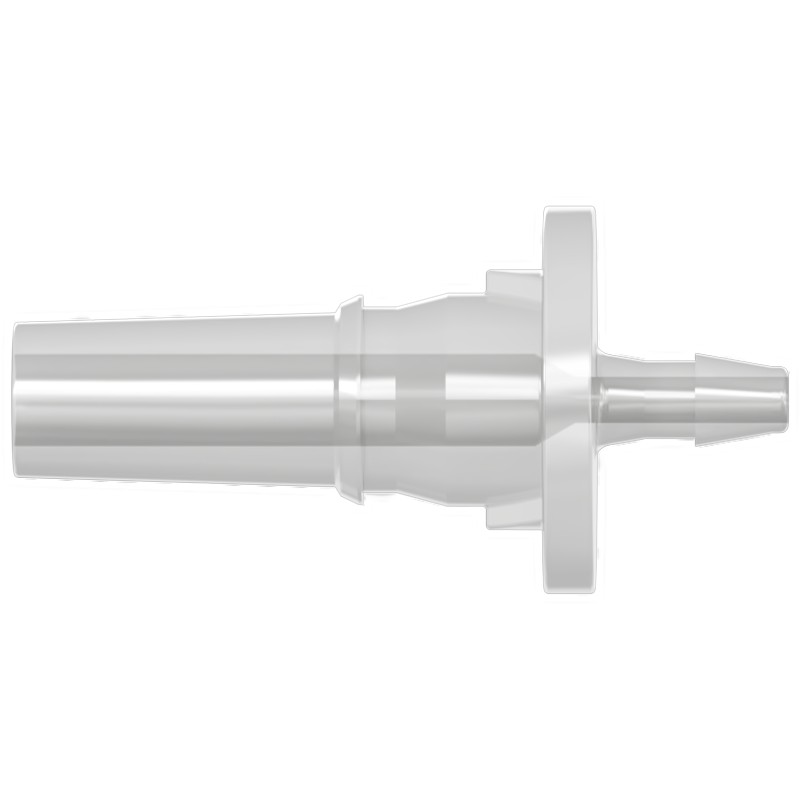
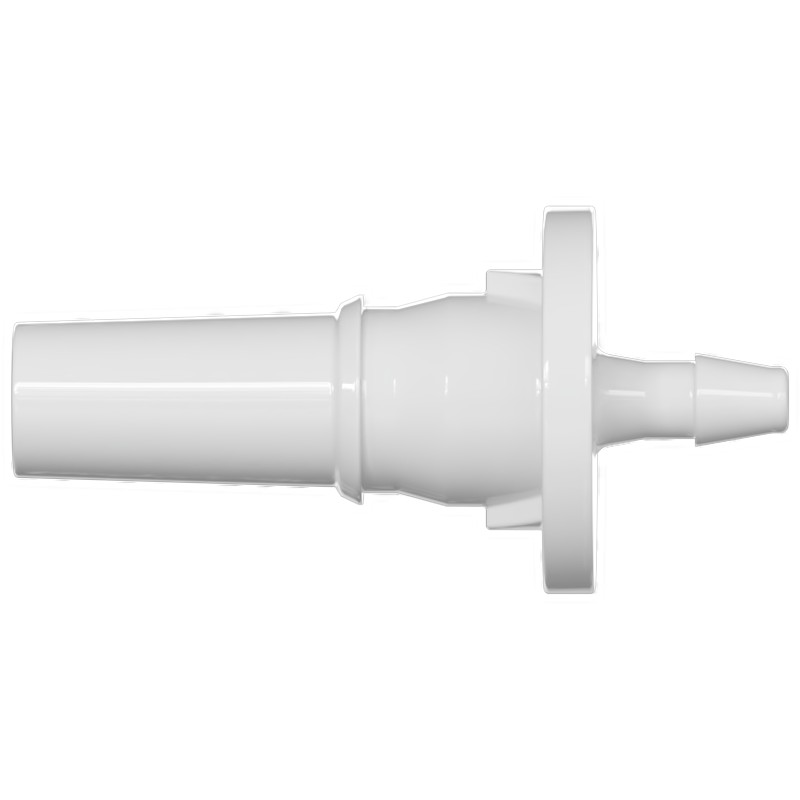
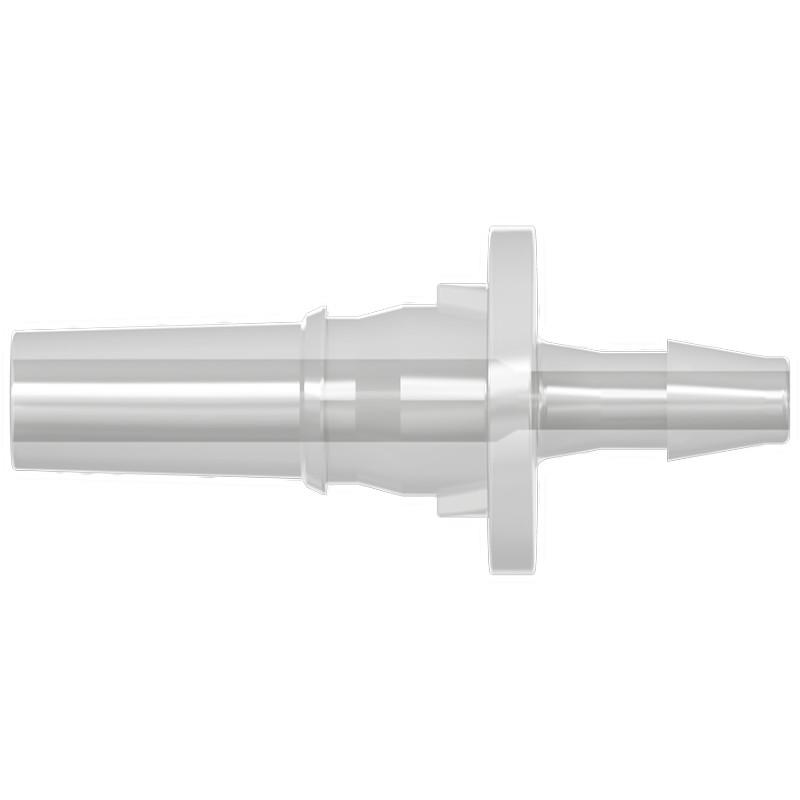
The range includes male and female Luer fittings with fixed collars, rotating collars and integrated locking designs. Male and female interfaces use a 6% taper and seal through mating conical surfaces; accessories include locking collars, panel-mount nuts and color identification rings. Locking versions are commonly called Luer lock fittings. The LPS collar remains fixed relative to the Luer stem, while the LPR collar rotates around it; integrated male Luer fittings combine the body and locking structure. Female options include standard connections and PMLS panel-mount models. Barbed versions fit tubing IDs of 1.6, 2.4 and 3.2 mm, with bodies in materials such as PP, PA and PVDF and model-specific colors. Match male and female fittings and collars by connection design; panel-mount versions use a mounting thread and matching nut.
The mating tapers provide the seal, while the locking structure retains the connection. Confirm sealing performance and pressure capability using the mating pair, tubing, working pressure and connection/disconnection conditions. Rotating collars help maintain tubing orientation during tightening; color rings distinguish reagent, cleaning-fluid and other lines for connection and maintenance. Leave room for collar rotation, manual access and tubing bends, with adequate spacing between neighboring connections. Fitting and tubing materials must suit the process fluid, cleaning fluid and working temperature. For repeatedly disconnected interfaces, inspect the seal and schedule maintenance according to actual use.