Foreach TechnologyForeach Technology
Home
Products
Applications
About Us
Contact & Partnership
简体中文EnglishEspañolFrançais한국어Русский
Home
Products
Pump SeriesValve SeriesTubing SeriesFitting SeriesProbe SeriesSmart Control SeriesTubing Assemblies
Applications
All applicationsIVD DiagnosticsLife SciencesLaboratory AutomationAnalytical InstrumentsEnvironmental MonitoringSynthetic Biology
Resources
DatasheetsFluid Resistance CalculatorFitting ReplacementInstallation GuidesMaterial CompatibilityTechnical ArticlesCompany News
About Us
About ForeachR&D and ManufacturingQuality System and QualificationsMilestonesForeach Culture
Contact & Partnership
Contact UsBecome a Distributor
  • Pump Series
  • Valve Series
  • Probe Series
  • Fitting Series
  • Tubing Series
  • Control Series
  • Tubing Assemblies
  • All applications
  • IVD
  • Life Science
  • Lab Automation
  • Analytical Instruments
  • Environmental Monitoring
  • Synthetic Biology
  • Datasheets
  • Fluid Resistance Calculator
  • Fitting Replacement
  • Installation Guides
  • Material Compatibility
  • Technical Articles
  • Company News
  • About Foreach
  • R&D & Manufacturing
  • Quality & Compliance
  • History
  • Foreach Culture
  • Inquiry Form
  • Contact Information

Shenzhen Foreach Technology Co., Ltd.

Address: 13th Floor, 2nd Building, Yufengda Industrial Park, 1008th Guang Qiao Boulevard, Guangming District, Shenzhen 518132 CHINAView Map

Email: [email protected]

Tel: +86 755 8655 3831

LinkedInYouTubeFacebookInstagramX

© 2026 Shenzhen Foreach Technology Co., Ltd. All rights reserved.

Privacy Policy·

Home/Applications/In Vitro Diagnostics/Molecular diagnostics
< Back

Molecular diagnostics: tip-based washing and nucleic-acid eluate transfer

Application guide

Tip-based washing and nucleic-acid eluate transfer is a specific liquid-handling operation in molecular diagnostics. This page explains product responsibilities, sequence, actual conditions and recovery requirements. Establish the architecture before comparing configurations.

Applicable architecture

The workflow uses a diagnostic workstation with nucleic-acid extraction as an example. Magnetic-bead extraction can use pipetting or magnetic rods that transfer beads; binding, washing and elution do not all require pump-driven fixed fluidics. Distinguish liquid-moving actions, solid-phase transfer and downstream setup before discussing components.[2]

Application guide

Molecular diagnostics

Molecular diagnostics
Diaphragm pumps in molecular diagnostics
Bubble and pressure sensing in molecular diagnostics
Tubing and fittings in molecular diagnostics
Multiport rotary valves in molecular diagnostics
Isolation of reagent, nucleic-acid eluate and waste paths
Air-displacement pipetting pumps in molecular diagnostics
Tip-based washing and nucleic-acid eluate transfer
Syringe pumps in molecular diagnostics
Lysis and binding reagent dispensing through fixed fluidics

On this page

Where tip-based washing and nucleic-acid eluate transfer occur in the instrumentProduct responsibilities in this operationOrganize the sequence by actual architectureDefine operating conditions for this taskCompare product configurations by the roles on this pageValidate operation results at the receiverLocate abnormalities and restore the next operationReferencesRelated guides

01Where tip-based washing and nucleic-acid eluate transfer occur in the instrument

In architectures that pipette liquid while retaining solid phase, washing removes supernatant and post-elution transfer recovers nucleic-acid eluate; define aspiration height, permitted residue and destinations separately. With magnetic-rod bead transfer, focus on solid-phase transfer, reagent wells and eluate reception, identifying which replenishment or transfer steps actually require liquid-drive components.

Evaluate received eluate volume, target recovery, residual wash fluid and downstream inhibition risk separately. Volume, extraction results and contamination blanks are different evidence and must all be interpreted with the complete method.

02Product responsibilities in this operation

The air-displacement pump drives liquid inside the tip; the platform manages tips, wells and movement. Associate liquid destinations and consumable states with every operation.

For this task in molecular diagnostics, confirm solid-phase location and retention target, wash cycles, aspiration height, residue, destination and downstream assay requirements.

03Organize the sequence by actual architecture

  1. Confirm a tip-based liquid-transfer architecture retaining solid phase, marking discarded wash liquid, post-elution nucleic-acid eluate and the next reaction well. Organize magnetic-rod architectures separately by actual solid-phase motion.
  2. Set aspiration height by solid-phase position, send liquid for disposal to waste and add wash fluid according to the method. Tip changes and consumable order follow contamination-control requirements.
  3. After specified elution and solid-phase separation, transfer the nucleic-acid eluate to retain into its designated receiver, checking recovered volume and residual wash fluid.
  4. Verify eluate identity, target recovery, negative blanks and downstream usability. After interruption, establish transferred volume before continuing to avoid repeated disposal or duplicate delivery.

04Define operating conditions for this task

Conditions, results and abnormality records for this operation
To defineDetails
Actual operating conditionsSolid-phase location and retention target, wash cycles, aspiration height, residue, destination and downstream assay requirements
Acceptance targetDuring tip-based washing, check that the required solid phase remains while discarded liquid reaches waste. During post-elution transfer, measure eluate in the identified receiver and evaluate remaining wash liquid and target recovery.
Fault localizationIncorrect aspiration height can discard solid phase or retain unwanted wash liquid. A wrong destination can lose eluate, while duplicate aspiration after interruption can further reduce recovery.

Further technical reading

  • What is a programmable automatic air-displacement pipetting pump?
  • What Is Pipetting? Manual and Automated Workflows Compared

05Compare product configurations by the roles on this page

Configuration options for the product roles on this page
ProductConfiguration optionConditions to verify
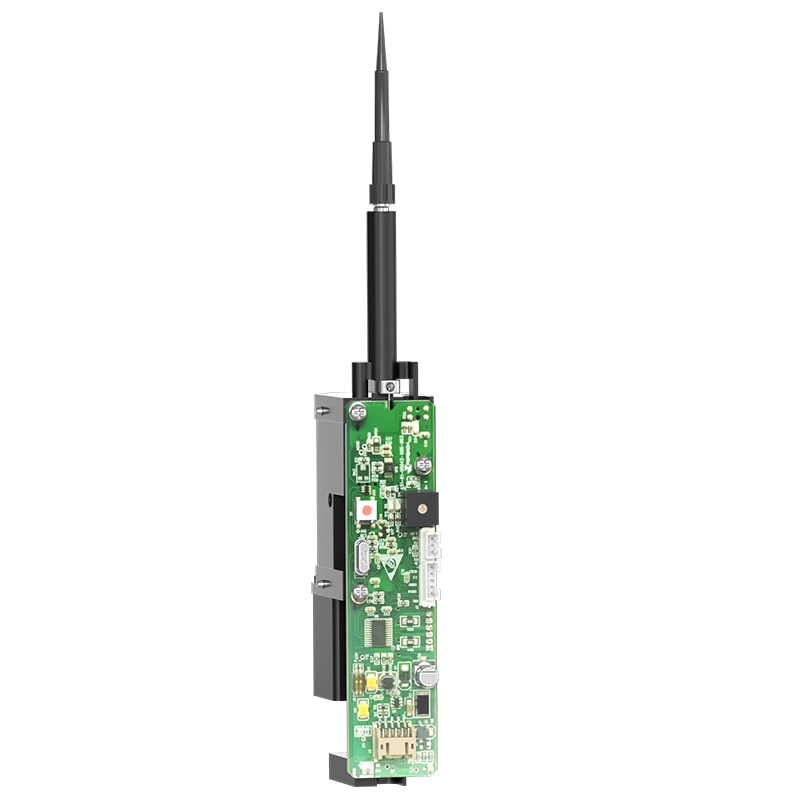
SMTP air-displacement pipetting pumpAir displacement with disposable tipsValidate tip sealing, liquid type and motion together
  • SMTP air-displacement pipetting pump

    SMTP air-displacement pipetting pump

    View Details

06Validate operation results at the receiver

During tip-based washing, check that the required solid phase remains while discarded liquid reaches waste. During post-elution transfer, measure eluate in the identified receiver and evaluate remaining wash liquid and target recovery.

Use negative blanks and the downstream method to assess contamination and inhibition separately from recovered volume. Confirm the correct sample and destination well before the next setup step.

07Locate abnormalities and restore the next operation

Incorrect aspiration height can discard solid phase or retain unwanted wash liquid. A wrong destination can lose eluate, while duplicate aspiration after interruption can further reduce recovery.

Hold the source and receiving wells and determine which wash, discard or eluate-transfer step completed. Establish remaining solid phase, liquid and transferred volume before deciding how the method permits continuation; verify tip state and sample identity before the next action.

Tip-based liquid transfer and magnetic-rod bead transfer use different movements. Neither pump completion nor correct eluate volume alone establishes extraction quality.

References

View references (2)
  1. [1]FOREACH SMTP air-displacement pipetting pump: configurations and specifications
  2. [2]Thermo Fisher KingFisher: binding, washing and elution by transferring magnetic beads

Related guides

  • Back to the molecular-diagnostic fluidics overview
  • Air-displacement pipetting pumps in molecular diagnostics

Related Products

SMTP Air-displacement pipetting pumps

SMTP Air-displacement pipetting pumps

Related Technical Articles

What is a programmable automatic air-displacement pipetting pump?

A programmable automatic air-displacement pipetting pump is a liquid-handling component whose aspiration, dispense, speeds and sequence are set through control commands. This article focuses on air-displacement modules that use disposable tips in OEM instruments, with FOREACH SMTP2 as an example of operation, monitoring and selection limits.

2026-09-28View Details

What Is Pipetting? Manual and Automated Workflows Compared

Pipetting is the transfer of a specified volume of liquid from one location to another. Examples include moving 100 µL from a sample tube into a reaction vessel, or adding sample and diluent in a defined ratio.

2026-09-29View Details

Discuss Your IVD Fluidic Requirements

Share the instrument type, sample and reagent properties, working volumes, cycle timing, fluid path and acceptance criteria so we can discuss suitable components and prototype evaluation.

Discuss your application