
What do these products do in this instrument?
Tubing and fittings: complete wetted paths and nucleic-acid recovery
Connect the fixed branches actually used for reagent supply or product transfer, keeping sample and eluate destinations separate from wash waste. The location and contact history of each fitting matter when a small recovered amount passes through several components.
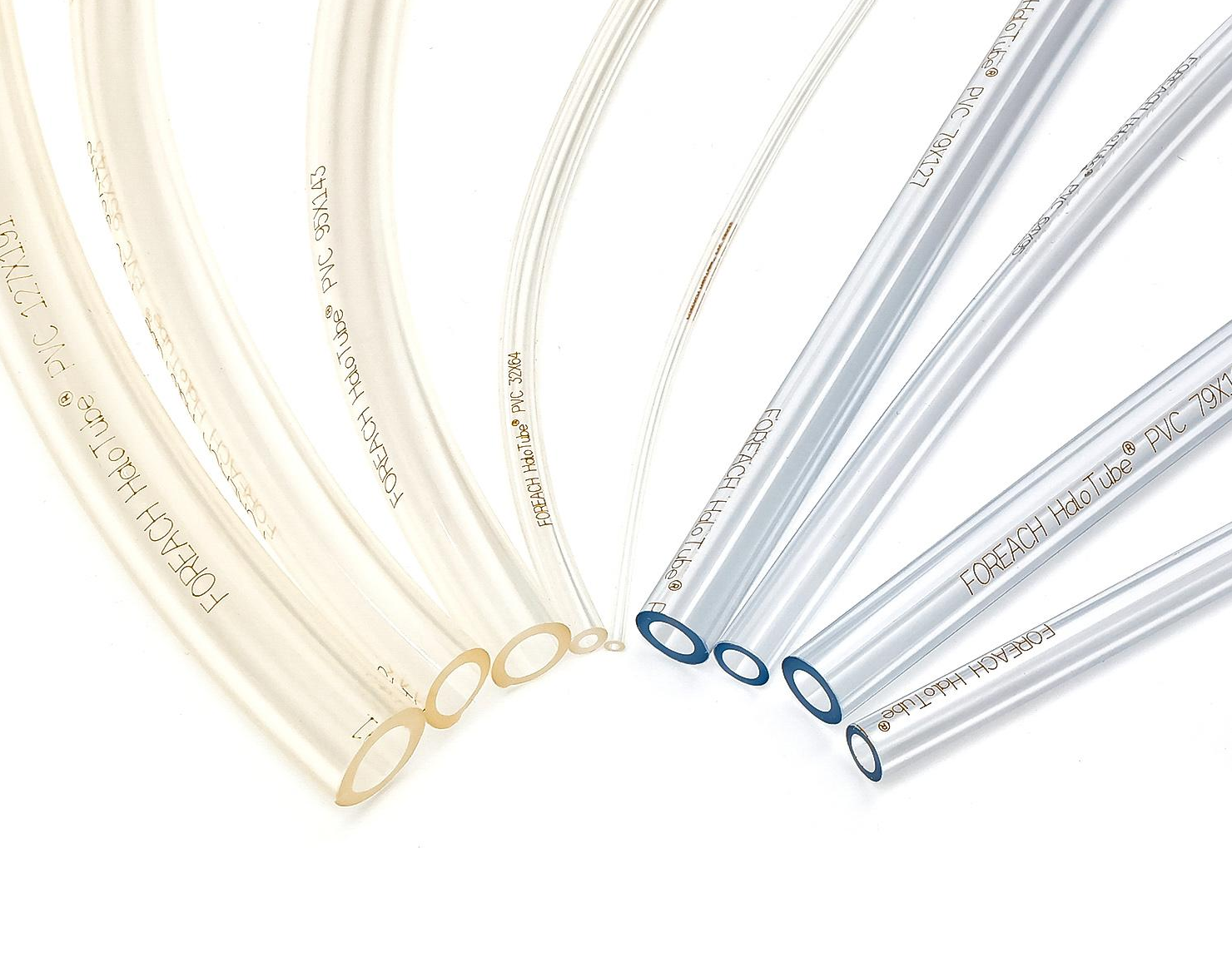
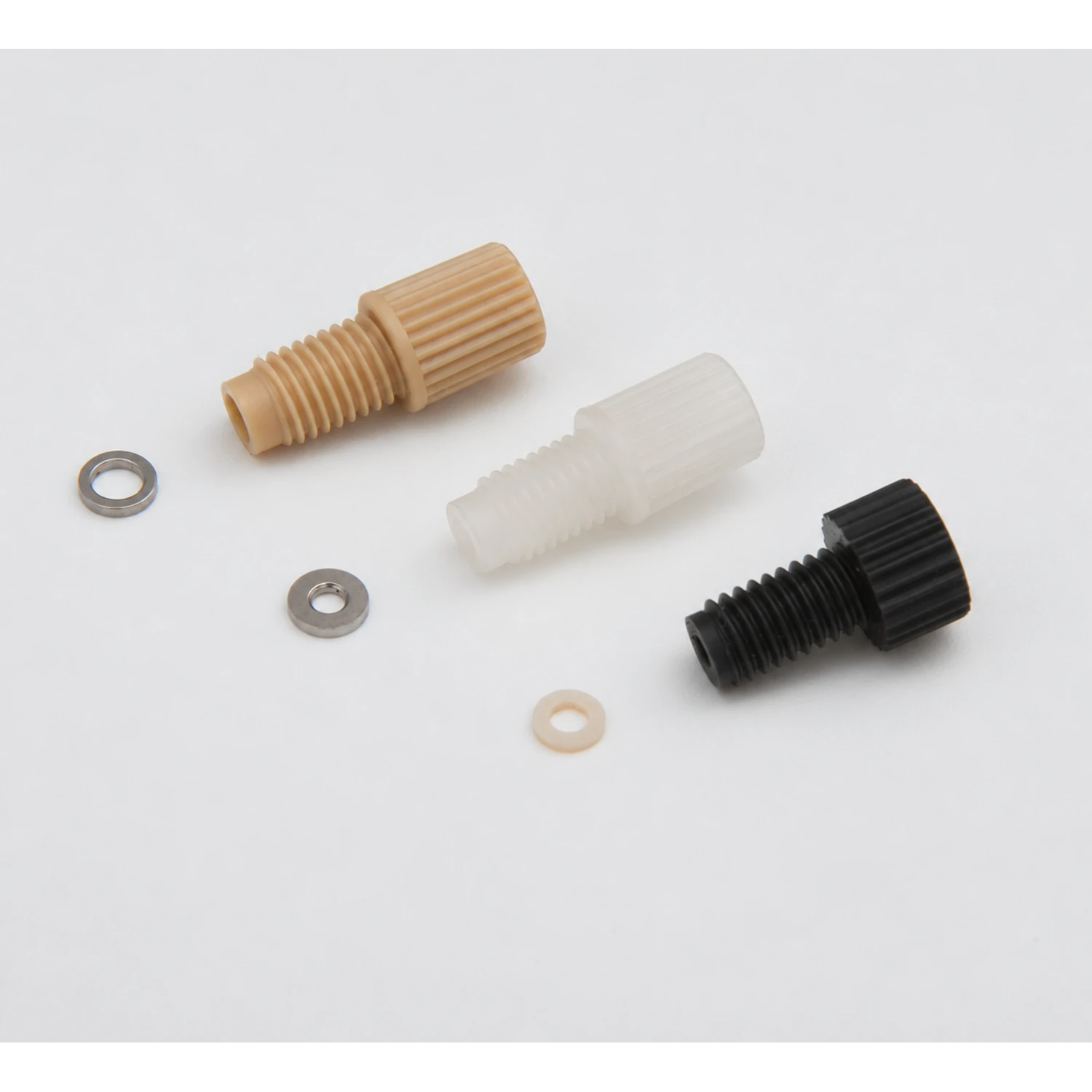
Tubing and fittings together form sealed connections and the actual transfer path. Check formulation, inner/outer diameters, length, tube-end positioning and port geometry, including added volume in residue and arrival delay.
Select the wetted path by the retained fraction
Identify whether a segment carries a reagent, sample preparation, wash supernatant or recovered eluate. A connection acceptable for bulk reagent delivery may introduce too much hold-up or unwanted contact in a low-volume product path. Compare the assembled material surfaces and interface volume with the intended recovery, while preserving feasible installation and cleaning access.
Further technical reading
Design replacement around contamination zones and recovery
Document which connectors are opened, where remaining liquid is sent and how the path is re-established. A shorter tube or lower-volume fitting can reduce held liquid, but does not by itself prove removal of earlier sample or wash constituents. After service, compare product recovery and the required blanks with the method, including the downstream use of the eluate.
Translate actual branch conditions into configuration requirements
| Condition | To confirm |
|---|---|
| Liquid and zone | Map lysis/binding reagents, wash liquids, eluate and waste with their actual formulations, contact conditions and contamination boundaries. |
| Product-path volume | Record tubing bore and length, fitting seating and retained interfaces in relation to the intended recovered amount. |
| Replacement procedure | Define opened sections, prime/discard destinations and post-service recovery and blank checks without transferring maintenance liquid into product receivers. |
| Operation | Specific operating conditions |
|---|---|
| Tubing connections | Formulation-specific fixed wetted paths, sample or eluate contact, contamination zone, installed internal volume, receiver identity and replacement/cleaning procedure |
Tubing connections
Trace the product-contact route through each tube, valve and receiver connection. Exclude paths that only carry reagent from claims about eluate recovery, and include every surface actually contacted by the recovered material.
Compare transfer through the assembly with appropriate reference handling to distinguish liquid left behind from changes in recovered target. Record the received amount and method result separately.
Before replacing a fitting, define which contamination zone is opened and where priming liquid will go. Restore routing and sealing without using a product receiver as a maintenance discharge destination.
If blanks or recovery change after service, inspect the replaced section and handling procedure first. A successful leak check and a matching thread are insufficient evidence of restored product performance.
Compare product configurations by the roles on this page
| Product | Configuration option | Conditions to verify |
|---|---|---|
| Tubing materials and dimensions | Connection paths and shared volume | Bore, length, load and actual formulation jointly determine materials and dimensions |
| Rigid-tubing fittings | Tube-end positioning and sealed connections | Check tube outer diameter, threads, seal structure and port-bottom geometry |
Related operations and architecture comparisons
Lysis and binding reagent dispensing through fixed fluidics
Confirm materials and action conditions separately for lysis and binding solutions. Record sample identity, target well and completed delivery steps; one water sequence cannot cover all working liquids.
Tip-based washing and nucleic-acid eluate transfer
Aspiration speed, solid-phase position and residue affect the next step. Washing removes supernatant while elution recovers nucleic-acid eluate, requiring different heights and destinations; validate with recovery and blanks.
Confirm product roles in actual operation
| Operation | Measurements and observations | Priority checks |
|---|---|---|
| Tubing connections | Compare received liquid and nucleic-acid recovery through all installed connections with appropriate reference handling. Include method-required blanks and the intended downstream use after maintenance. | Adsorption, hold-up or contamination can alter the recovered target even when delivered volume is acceptable. Investigate the changed contact section and handling sequence rather than correcting volume alone. |
Accept the complete connection path on both liquid transfer and method-relevant product results. Keep reagent delivery, wash removal and eluate collection distinct in the assembly and service records.
Does minimizing connection volume guarantee good nucleic-acid recovery?
It addresses held liquid, but recovery also depends on wetted surfaces, the target and formulation, and the handling sequence. Compare the assembled path with reference handling and required blanks; verify the downstream method rather than inferring suitability from geometry.
Valve switching or low dead volume alone does not prove contamination isolation for extracted nucleic acid and amplification setup.