
What do these products do in this instrument?
Liquid diaphragm pumps: cleaning-fluid supply for reusable paths
Supply wash fluid to probe-washing or other reusable wetted components in the actual configuration. Coordinate cleaning interfaces and drain destinations, checking residue effects in the first dose of the next reaction.
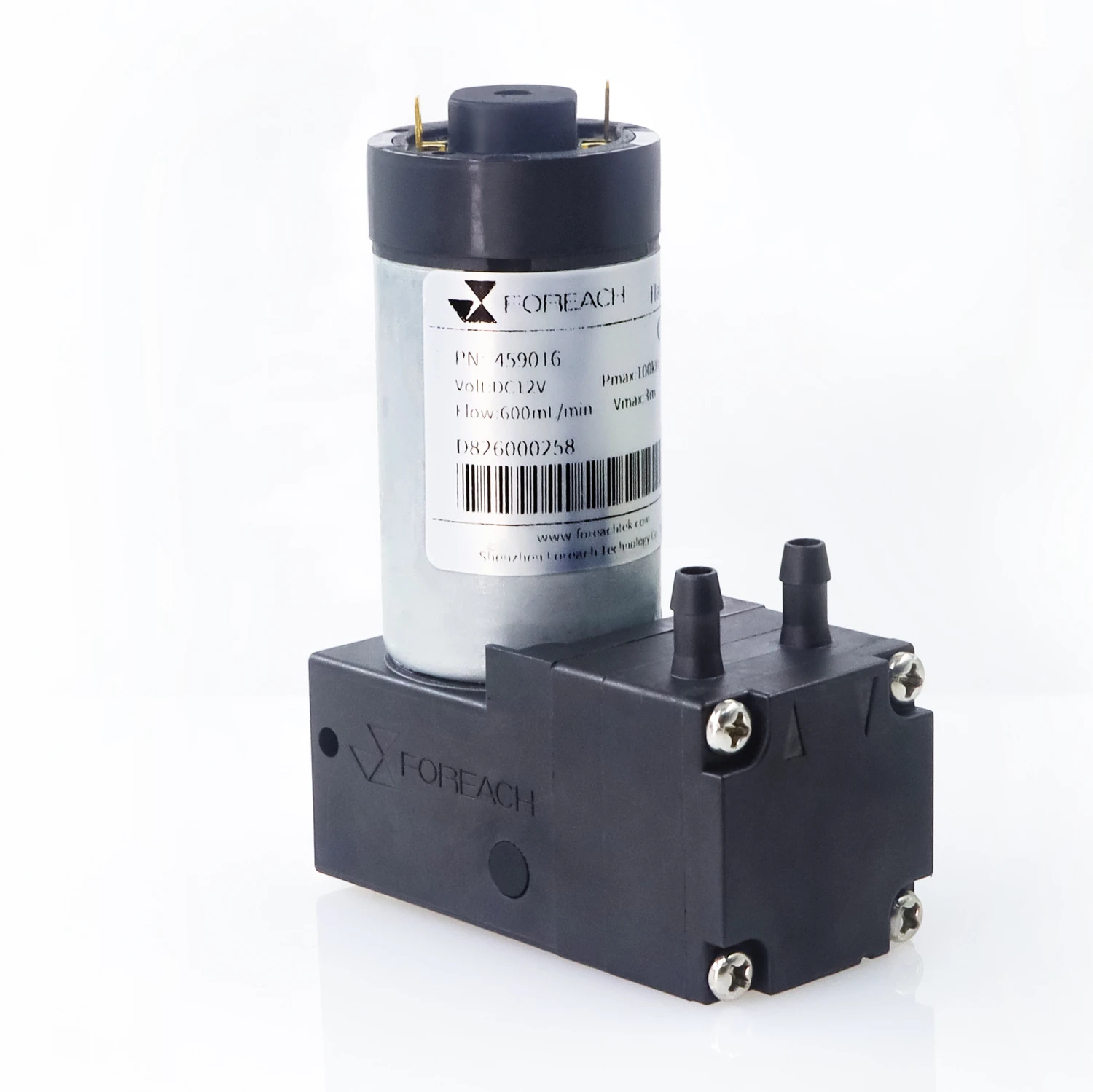
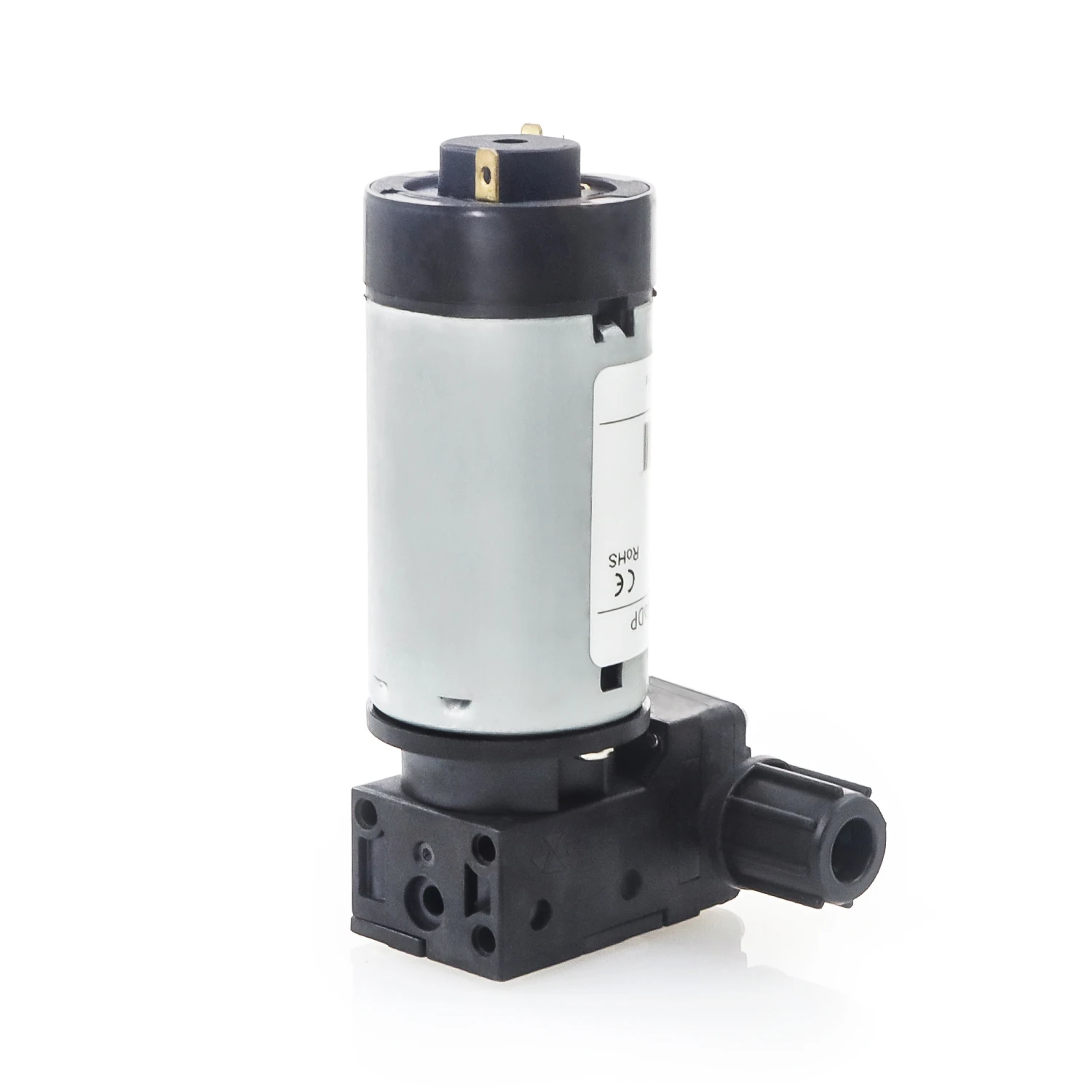
Compare DPL30, DPL60 and DPL30H by actual supply load. Wash-head, valve, tubing and container resistance jointly determine installed flow; check the supply window and receiving position together.
Assign liquid supply to a defined usage branch
This page compares liquid diaphragm-pump configurations for suitable supply paths. Define source, point of use, working liquid and cycle time, then measure liquid arriving at the use point under actual load. Cleaning effectiveness also depends on formulation, coverage and contact time.
Further technical reading
Coordinate supply windows with downstream receiving conditions
Tubing, valves and end-use resistance change installed flow. Match supply to permitted container levels or cleaning inflow. Downstream drainage uses its own extraction architecture; check its media and container protection separately rather than inferring them from supply-pump capacity.
Translate actual branch conditions into configuration requirements
| Condition | To confirm |
|---|---|
| Inlet medium | Distinguish liquid-only flow, intermittent gas entrainment and foam, and confirm the aspiration modes permitted by the configuration. |
| Tubing and containers | Provide suction lift, outlet load, tubing and waste-container conditions. |
| Actual supply and removal | Measure incoming liquid, residue and emptying at the station; check handling after full level, shortage or blockage. |
| Operation | Specific operating conditions |
|---|---|
| Cleaning reused paths and recovering the first dose | Wash-fluid formulation, volume/time, spray/aspiration geometry, air/foam and waste capacity |
Compare product configurations by the roles on this page
| Product | Configuration option | Conditions to verify |
|---|---|---|
| DPL30 liquid diaphragm pump | Liquid supply or auxiliary circulation | Select by installed resistance, actual wash or working fluid and task window |
| DPL60 liquid diaphragm pump | Liquid supply or auxiliary circulation | Judge by peak demand and installed operating point, not free flow alone |
| DPL30H high-backpressure liquid diaphragm pump | Liquid branches requiring higher backpressure capability | Calculate pressure budget and actual flow first, then confirm interfaces and materials |

Explore specific operating and validation tasks
Cleaning reused paths and recovering the first dose
Residual wash fluid may alter the next formulation or carry contamination. Check internal flushing, external coverage and the first dose through the cleaned path, evaluating residue effects with the assay.
Confirm product roles in actual operation
| Operation | Measurements and observations | Priority checks |
|---|---|---|
| Cleaning reused paths and recovering the first dose | Confirm supply and peak waste-removal capacity under installed resistance; measure residual liquid, carryover or assay-specified recovery | Insufficient supply, foam, dry aspiration and a full waste container disrupt the cleaning cycle |
Measure actual delivery and trigger timing at the reaction site and assess the effect of post-wash residue on the assay.
Do similar nominal supply- and waste-pump flow rates make a matched pair?
Compare peak inflow, effective aspiration and permissible accumulation in the actual installation. The branches may handle different media and operating windows; validate station recovery over the complete sequence.
Pump or valve response time is not the reagent-contact or instrument measurement-start time.
References
View references (4)
- [1]FOREACH DPL30 liquid diaphragm pump: configurations and specifications
- [2]FOREACH DPL60 liquid diaphragm pump: configurations and specifications
- [3]FOREACH DPL30H high-backpressure liquid diaphragm pump: configurations and specifications
- [4]Sysmex CA-600: clotting, chromogenic and immunoturbidimetric configurations