Foreach TechnologyForeach Technology
Home
Products
Applications
About Us
Contact & Partnership
简体中文EnglishEspañolFrançais한국어Русский
Home
Products
Pump SeriesValve SeriesTubing SeriesFitting SeriesProbe SeriesSmart Control SeriesTubing Assemblies
Applications
All applicationsIVD DiagnosticsLife SciencesLaboratory AutomationAnalytical InstrumentsEnvironmental MonitoringSynthetic Biology
Resources
DatasheetsFluid Resistance CalculatorFitting ReplacementInstallation GuidesMaterial CompatibilityTechnical ArticlesCompany News
About Us
About ForeachR&D and ManufacturingQuality System and QualificationsMilestonesForeach Culture
Contact & Partnership
Contact UsBecome a Distributor
  • Pump Series
  • Valve Series
  • Probe Series
  • Fitting Series
  • Tubing Series
  • Control Series
  • Tubing Assemblies
  • All applications
  • IVD
  • Life Science
  • Lab Automation
  • Analytical Instruments
  • Environmental Monitoring
  • Synthetic Biology
  • Datasheets
  • Fluid Resistance Calculator
  • Fitting Replacement
  • Installation Guides
  • Material Compatibility
  • Technical Articles
  • Company News
  • About Foreach
  • R&D & Manufacturing
  • Quality & Compliance
  • History
  • Foreach Culture
  • Inquiry Form
  • Contact Information

Shenzhen Foreach Technology Co., Ltd.

Address: 13th Floor, 2nd Building, Yufengda Industrial Park, 1008th Guang Qiao Boulevard, Guangming District, Shenzhen 518132 CHINAView Map

Email: [email protected]

Tel: +86 755 8655 3831

LinkedInYouTubeFacebookInstagramX

© 2026 Shenzhen Foreach Technology Co., Ltd. All rights reserved.

Privacy Policy·

Home/Applications/In Vitro Diagnostics/Coagulation analyzer
< Back

Coagulation analyzers: cleaning reusable paths and recovering first doses

Application guide

Reusable-path cleaning and first-dose recovery is a specific liquid-handling operation in coagulation analyzers. This page explains product responsibilities, sequence, actual conditions and recovery requirements. Establish the architecture before comparing configurations.

Applicable architecture

Coagulation instruments may run clotting, chromogenic or immunoturbidimetric methods. This page discusses coordination of liquid delivery and reaction timing. Define initiation, preincubation and reading rules by method rather than reducing every assay to the same clotting endpoint.[4]

Application guide

Coagulation analyzer

Coagulation analyzer
Diaphragm pumps in coagulation analyzers
Cleaning reused paths and recovering the first dose
Bubble and pressure sensing in coagulation analyzers
Tubing and fittings in coagulation analyzers
Multiport rotary valves in coagulation analyzers
Switching reagent sources and reaction paths
Piston pumps in coagulation analyzers
Assay-specified sample delivery
Sampling probes in coagulation analyzers
Syringe pumps in coagulation analyzers
Reagent arrival and reaction timing

On this page

Where reusable-path cleaning and first-dose recovery occur in the instrumentProduct responsibilities in this operationOrganize the sequence by actual architectureDefine operating conditions for this taskCompare product configurations by the roles on this pageValidate operation results at the receiverLocate abnormalities and restore the next operationReferencesRelated guides

01Where reusable-path cleaning and first-dose recovery occur in the instrument

Define wash fluid, duration and emptying by cross-effects of the specific reagents. Evaluate post-wash residue and the next reaction; use dedicated paths or consumables where needed rather than uniformly increasing wash counts.

Residual wash fluid may alter the next formulation or carry contamination. Check internal flushing, external coverage and the first dose through the cleaned path, evaluating residue effects with the assay.

02Product responsibilities in this operation

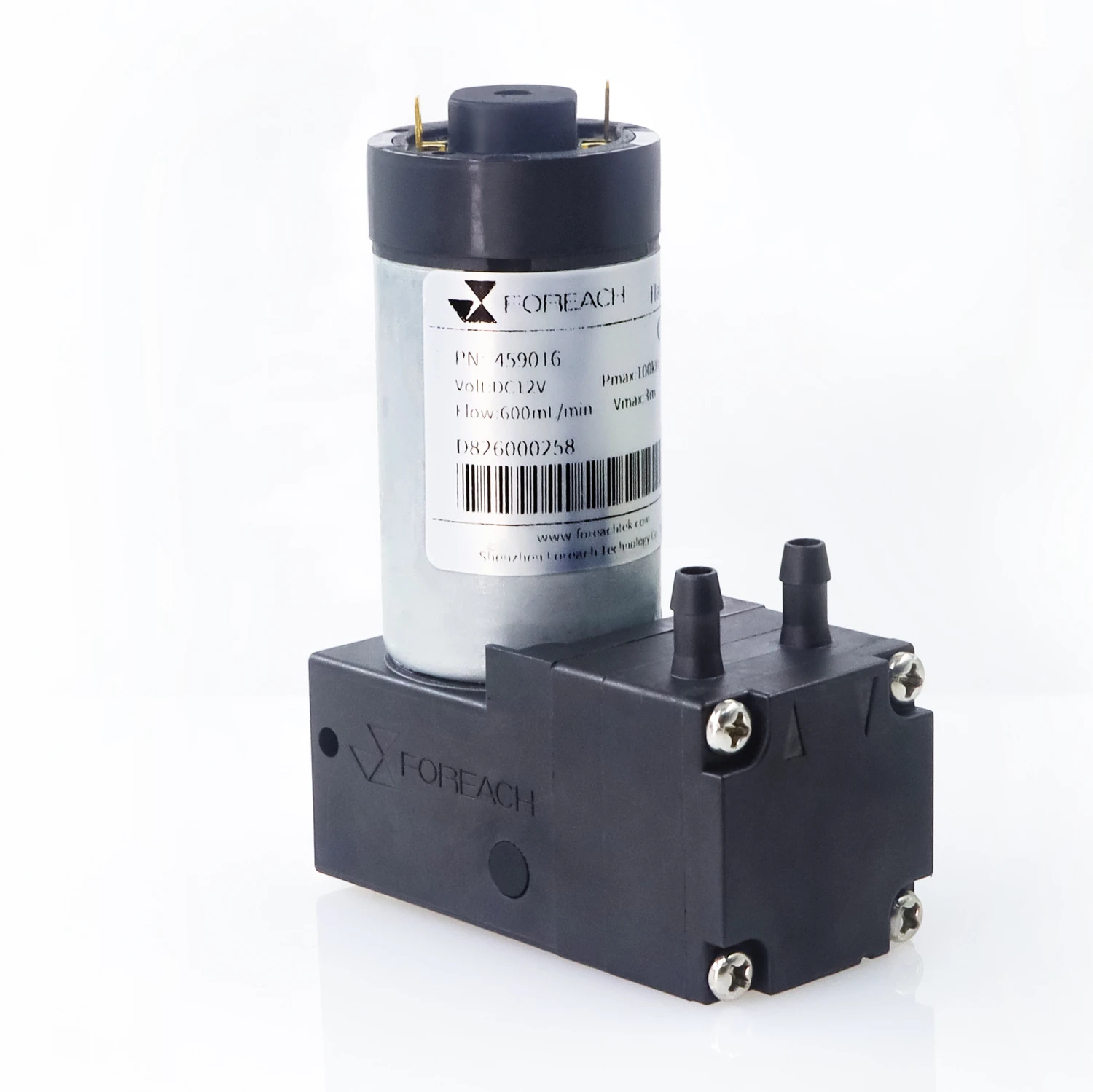
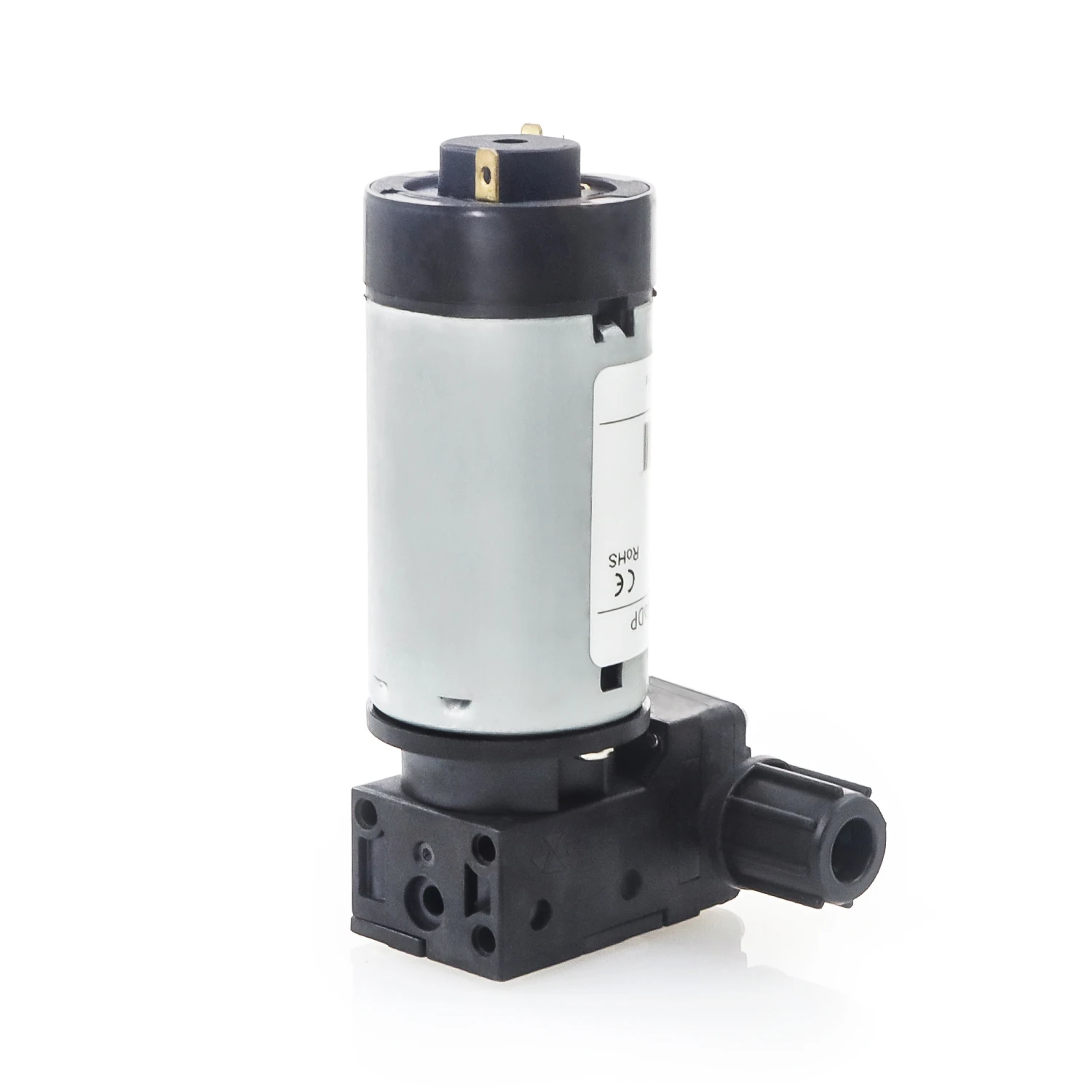
Diaphragm pumps perform suitable liquid supply or aerated aspiration in this task. Confirm inlet phase, branch location and outlet destination separately, then check each branch's operating point.

Compare DPL30, DPL60 and DPL30H by actual supply load. Wash-head, valve, tubing and container resistance jointly determine installed flow; check the supply window and receiving position together.

For this operation, confirm: Reusable wetted surfaces; reagent cross-effects; wash formulation and contact; supply and separate drainage; residual liquid; first-dose volume and arrival time.

03Organize the sequence by actual architecture

  1. For only the reusable probes or wetted paths actually used, confirm contaminated surfaces, wash fluid, supply interfaces and separate discharge destinations.
  2. Use the supply branch to achieve required coverage and contact, checking wash-fluid arrival under actual tubing and probe-tip loads.
  3. Remove wash fluid using the instrument's drainage design and establish whether residue affects the next dose. Check drainage configuration separately against actual inlet conditions.
  4. After cleaning, validate first-dose volume, arrival time and assay results separately before resuming the reaction sequence.

04Define operating conditions for this task

Conditions, results and abnormality records for this operation
To defineDetails
Actual operating conditionsReusable wetted surfaces; reagent cross-effects; wash formulation and contact; supply and separate drainage; residual liquid; first-dose volume and arrival time
Acceptance targetFor reusable probes or paths, verify internal flushing, external coverage and removal of wash fluid under the actual load. Measure the first subsequent dose at the cuvette and record its arrival time.
Fault localizationIncomplete coverage or drainage can leave wash fluid in the next dose. A path may regain flow while first-dose composition or arrival delay remains unsuitable for the reaction sequence.

Further technical reading

  • What Are Cleaning, Wash and Rinse Pumps in IVD Systems, and Why Are Miniature Diaphragm Pumps Used?
  • How to Read a Diaphragm Pump Flow-Pressure Curve—and Predict Installed Flow
  • IVD Waste Aspiration: Liquid Pump or Vacuum Pump? Direct vs Indirect Aspiration

05Compare product configurations by the roles on this page

Configuration options for the product roles on this page
ProductConfiguration optionConditions to verify
DPL30 liquid diaphragm pumpLiquid supply or auxiliary circulationSelect by installed resistance, actual wash or working fluid and task window
DPL60 liquid diaphragm pumpLiquid supply or auxiliary circulationJudge by peak demand and installed operating point, not free flow alone
DPL30H high-backpressure liquid diaphragm pumpLiquid branches requiring higher backpressure capabilityCalculate pressure budget and actual flow first, then confirm interfaces and materials
  • DPL30 liquid diaphragm pump

    DPL30 liquid diaphragm pump

    View Details
  • DPL60 liquid diaphragm pump

    DPL60 liquid diaphragm pump

    View Details
  • DPL30H high-backpressure liquid diaphragm pump

    DPL30H high-backpressure liquid diaphragm pump

    View Details

06Validate operation results at the receiver

For reusable probes or paths, verify internal flushing, external coverage and removal of wash fluid under the actual load. Measure the first subsequent dose at the cuvette and record its arrival time.

Assess whether retained wash fluid or reagent residue changes the next formulation or complete assay result. Keep this check specific to the reagent sequence and reusable parts fitted to the instrument.

07Locate abnormalities and restore the next operation

Incomplete coverage or drainage can leave wash fluid in the next dose. A path may regain flow while first-dose composition or arrival delay remains unsuitable for the reaction sequence.

Pause additions through the affected reusable path and review any cuvette already exposed. Restore cleaning and drainage, verify first-dose volume, arrival and the method result, then resume the reaction program.

This cleaning task applies to reusable wetted parts; it does not prescribe washing disposable reaction cells. Recovered pump flow alone does not establish readiness for the next assay.

References

View references (4)
  1. [1]FOREACH DPL30 liquid diaphragm pump: configurations and specifications
  2. [2]FOREACH DPL60 liquid diaphragm pump: configurations and specifications
  3. [3]FOREACH DPL30H high-backpressure liquid diaphragm pump: configurations and specifications
  4. [4]Sysmex CA-600: clotting, chromogenic and immunoturbidimetric configurations

Related guides

  • Back to the coagulation analyzer fluidics overview
  • Diaphragm pumps in coagulation analyzers

Related Products

DPL30 Liquid diaphragm pumps

DPL30 Liquid diaphragm pumps

DPL60 Liquid diaphragm pumps

DPL60 Liquid diaphragm pumps

DPL30H High-backpressure liquid diaphragm pumps

DPL30H High-backpressure liquid diaphragm pumps

Related Technical Articles

What Are Cleaning, Wash and Rinse Pumps in IVD Systems, and Why Are Miniature Diaphragm Pumps Used?

Cleaning pump, wash pump and rinse pump usually name different duties within an IVD cleaning sequence, not three fixed pump mechanisms. Selection starts with wash volume, cycle rate, line resistance, wetted materials, and whether the duty is liquid supply or waste aspiration.

2026-09-03View Details

How to Read a Diaphragm Pump Flow-Pressure Curve—and Predict Installed Flow

A catalogue value such as 300 or 600 mL/min is not a fixed flow rate inside an instrument. The useful engineering question is: at the actual inlet pressure, outlet backpressure, fluid, tubing and supply voltage, where will the pump and the fluidic circuit settle?

2026-07-28View Details

IVD Waste Aspiration: Liquid Pump or Vacuum Pump? Direct vs Indirect Aspiration

Probe washing, reaction-cup cleaning, and routine waste removal in IVD instruments are all described as “waste aspiration.” Yet whether waste passes directly through a liquid pump or first enters a collection bottle while a vacuum pump creates negative pressure leads to entirely different selection logic.

2026-08-09View Details

Discuss Your IVD Fluidic Requirements

Share the instrument type, sample and reagent properties, working volumes, cycle timing, fluid path and acceptance criteria so we can discuss suitable components and prototype evaluation.

Discuss your application