
What do these products do in this instrument?
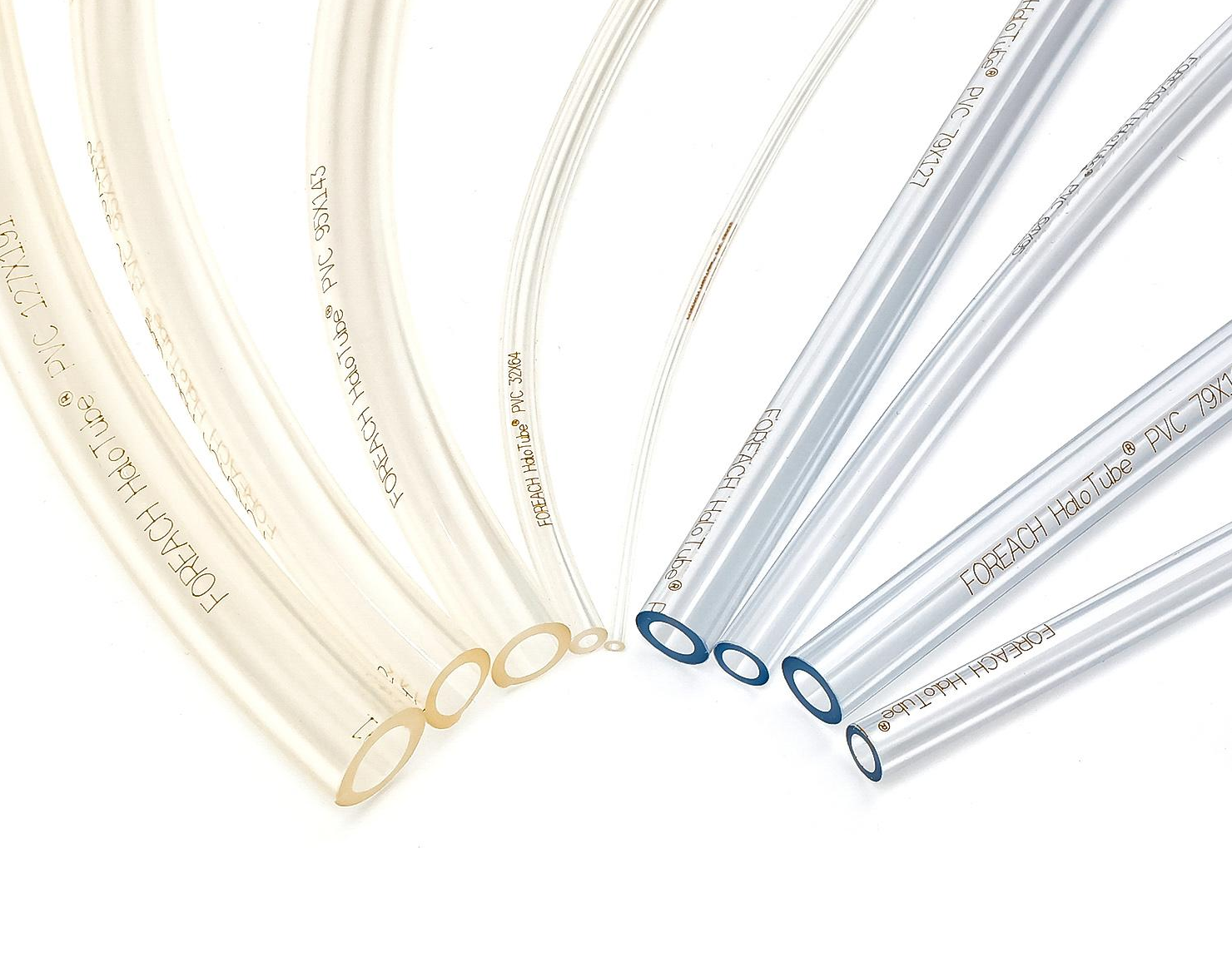
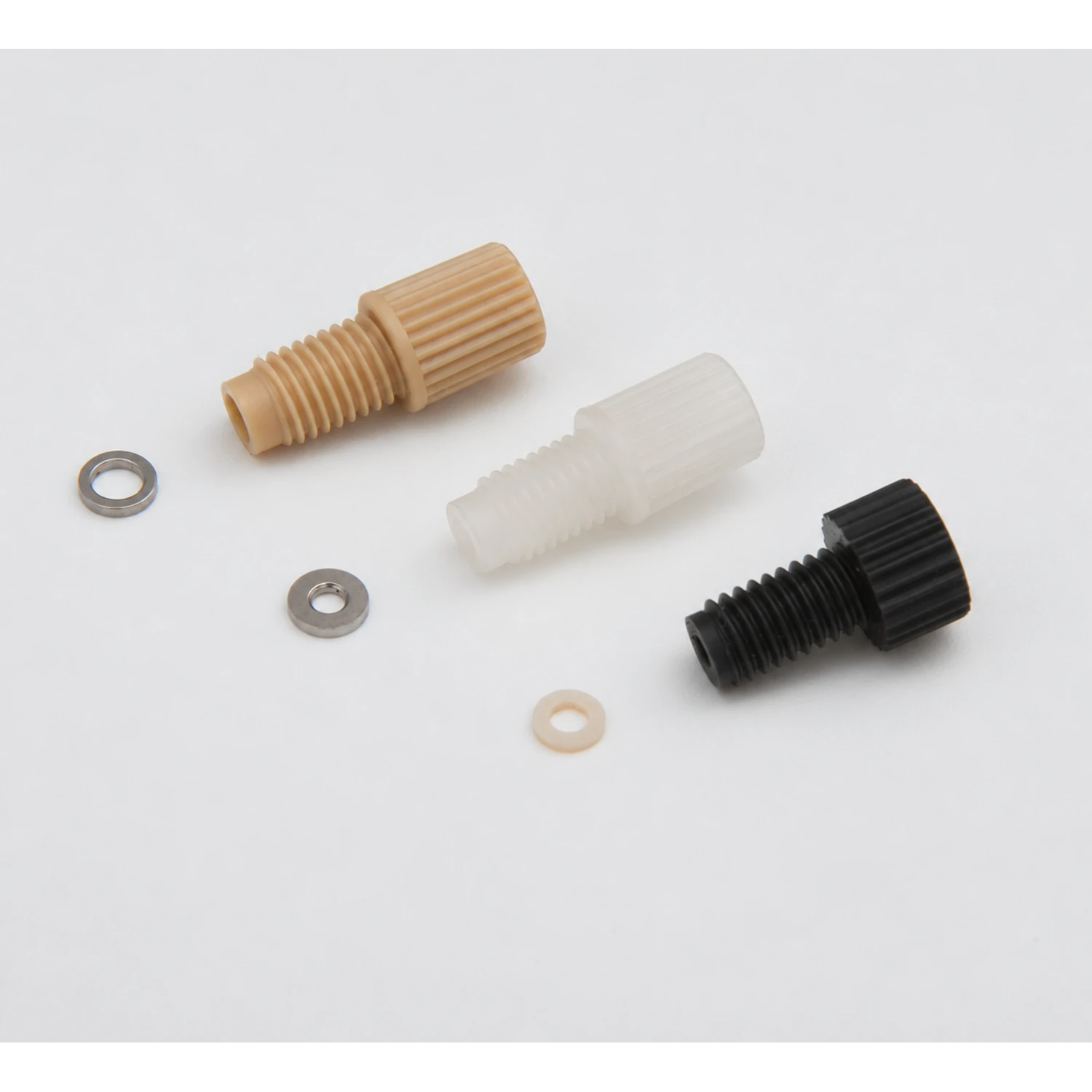
Tubing and fittings: connect reagent, washing and waste branches
Build the actual reagent, wash-supply and aspiration paths with connections suited to their liquids and pressure states. Shared reagent segments require a formulation-specific residue decision; wash-head and waste connections must also sustain the intended fill and removal sequence.
Tubing and fittings together form sealed connections and the actual transfer path. Check formulation, inner/outer diameters, length, tube-end positioning and port geometry, including added volume in residue and arrival delay.
Decide which reagent paths may be shared
List the formulations that contact each tube, fitting and seal, including cleaning liquids. Where suspensions or substrates are used, include their handling and storage-to-use conditions in the path review. A common line reduces separate plumbing but adds held liquid and a changeover requirement; use dedicated paths when the assay cannot tolerate the proposed sharing and cleaning sequence.
Further technical reading
Evaluate wash-head connections at the reaction vessel
Changes in line length or a fitting near the wash head can alter installed supply and aspiration behavior. Compare wash delivery, remaining liquid and solid-phase retention at the vessel after maintenance. If assay background changes despite a sealed path, examine reagent residue, wash coverage, aspiration position and capture together rather than treating tubing flow as a complete wash result.
Translate actual branch conditions into configuration requirements
| Condition | To confirm |
|---|---|
| Reagent contact | Identify suspension, binding-reagent or substrate paths actually present, their contact duration and cleaning exposure, and any permitted shared segment. |
| Wash and waste assembly | Specify wash-head connections, aspiration routing, expected gas/liquid phases and the waste receiver, including branches that run together. |
| Post-service evidence | Plan first reagent doses and a complete wash cycle after replacement, with residual-liquid, solid-phase and assay-background observations. |
| Operation | Specific operating conditions |
|---|---|
| Sample addition with a fixed probe | Fixed-probe sample-contact or system-liquid layout, internal/external wash interfaces and the connections changed during service |
| Multiple-reagent aspiration and dispensing | Formulation-specific wetted path, dedicated or shared supply, retained line volume and replenishment or bottle-change conditions |
| Fluid supply and waste removal for magnetic solid-phase washing | Wash-head supply and aspiration routing, vessel geometry, actual solid phase, waste destination and simultaneous wash demand |
Compare product configurations by the roles on this page
| Product | Configuration option | Conditions to verify |
|---|---|---|
| Tubing materials and dimensions | Connection paths and shared volume | Bore, length, load and actual formulation jointly determine materials and dimensions |
| Rigid-tubing fittings | Tube-end positioning and sealed connections | Check tube outer diameter, threads, seal structure and port-bottom geometry |
Related operations and architecture comparisons
Sample addition with a fixed probe
Sample-volume error affects reaction ratios, while external probe droplets may contaminate the next container. Combine aspiration, delivery and probe washing into a complete sequence and compare recovery after concentrated samples.
Multiple-reagent aspiration and dispensing
Bead suspensions, binding reagents and substrates may have different settling, light and storage requirements. Plan standby, mixing and first-dose recovery by actual formulation, including residual liquid in shared tubing.
Fluid supply and waste removal for magnetic solid-phase washing
Record added volume, residual liquid and bead loss in every wash. If background is abnormal, distinguish inadequate capture, coverage, aspiration positioning and waste pooling before changing pump output.
Confirm product roles in actual operation
| Operation | Measurements and observations | Priority checks |
|---|---|---|
| Sample addition with a fixed probe | Measure receipt through the assembled probe path and assess the next container after the sample-change wash sequence. | A new fitting or line may add retained liquid or admit air during aspiration even if dispensing appears normal. |
| Multiple-reagent aspiration and dispensing | Check the first reagent received after standby, bottle change and line replacement, then assess the assay blank for the actual sharing sequence. | Retained reagent, wash liquid or a suspension-handling change can affect composition independently of total volume. |
| Fluid supply and waste removal for magnetic solid-phase washing | Compare wash delivery and residual liquid at the reaction vessel, including solid-phase retention and background after the complete wash. | A supply or aspiration connection can change the station load; also inspect capture and aspiration position before attributing bead loss to the tubing. |
Approve the reagent path with dose and composition-sensitive results, and the wash path with vessel-level washing results. Keep the assembly details that produced those results for subsequent replacement.
Can all immunoassay reagents share one connection material and wash routine?
Only after reviewing the actual formulations, contact conditions and assay response. A material name or a successful water flush cannot establish suspension handling, substrate compatibility or removal of the previous reagent from a shared path.
Pump flow alone does not prove adequate washing; validate magnetic capture, mixing and aspiration position across the whole station.