
Where reagent and wash-fluid isolation occurs in the instrument
Define which substrate, wash-fluid, reagent and waste channels may be shared. Check valve positions, flushing volumes and drain destinations during switching to prevent cleaning fluid or previous reagents entering the next reaction.
Whether a substrate channel can be shared with other reagents depends on assay compatibility and background results. Switching-valve channels provide routing options, not proof of contamination isolation.
Product responsibilities in this operation
Valves control the current source or destination; the associated drive performs metering or transfer. Port connections, actual positioning and shared-segment renewal must match the operation.
For this operation, confirm: Actual reagent and substrate formulations; dedicated and shared ports; wash and waste isolation; permitted switching pressure; shared volume and reaction-vessel destination.
Organize the sequence by actual architecture
- Use actual formulations to define dedicated and shared paths for reagents, substrates, wash fluid and waste; list port connections in every state.
- Switch under permitted pressure and pump conditions, checking current source and outlet to prevent cleaning destinations connecting to reaction vessels.
- Flush shared segments and verify target-liquid arrival. After unfavorable source changes, check residue and assay background before permitting the next reaction addition.
Define operating conditions for this task
| To define | Details |
|---|---|
| Actual operating conditions | Actual reagent and substrate formulations; dedicated and shared ports; wash and waste isolation; permitted switching pressure; shared volume and reaction-vessel destination |
| Acceptance target | Challenge the intended reagent, substrate and wash connections with the actual source-change sequence. Check leakage and backflow, then verify target-liquid arrival and residual effects on the next addition. |
| Fault localization | A shared segment can carry a previous reagent or wash fluid into the next addition. Misrouting or backflow can also connect a wash destination to a reaction vessel and alter assay background. |
Further technical reading
Compare product configurations by the roles on this page
| Product | Configuration option | Conditions to verify |
|---|---|---|
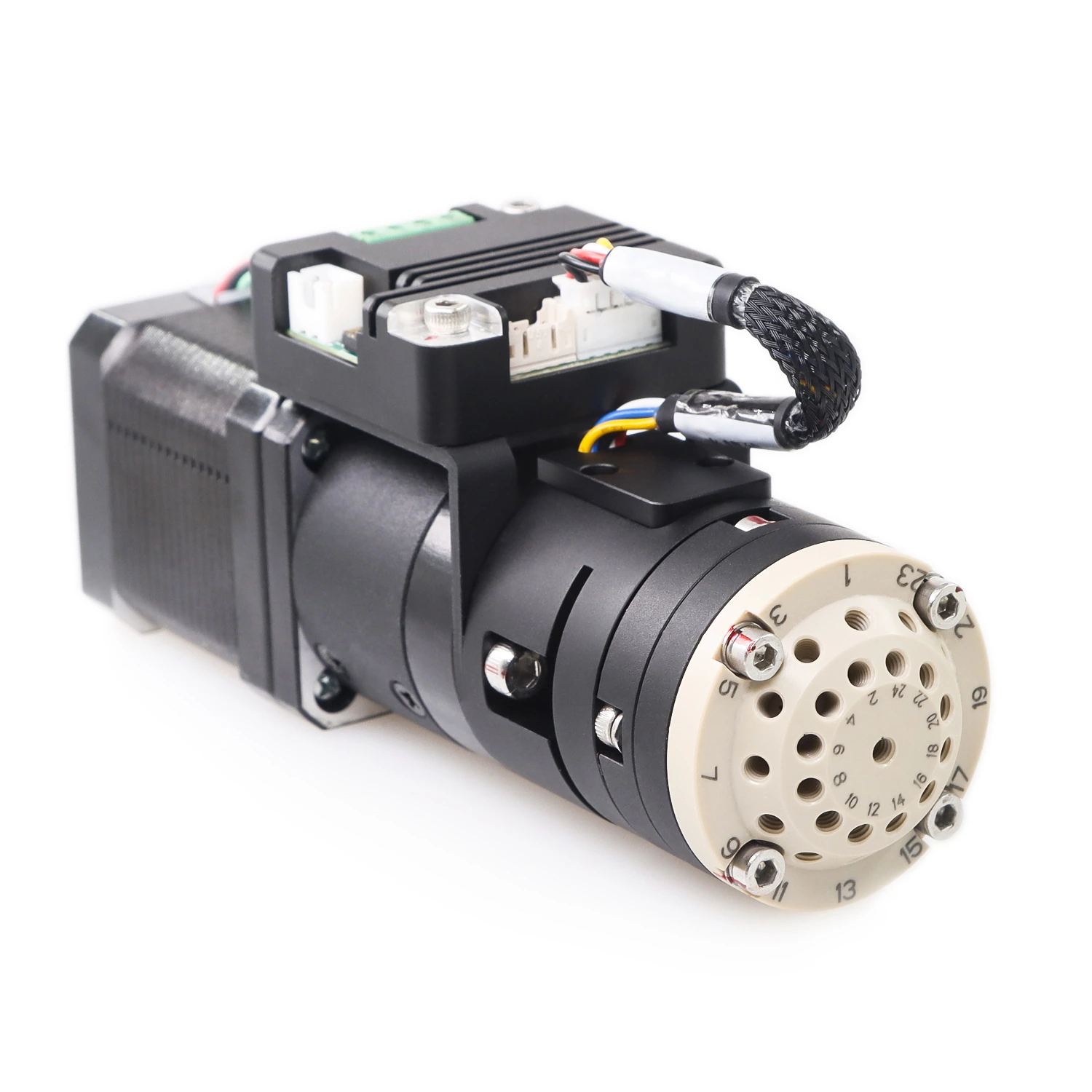
| MRV3 multiport rotary valve | Multiple-source selection | Compare 10-, 16- and 24-port options and port diagrams; verify high-pressure suitability separately |
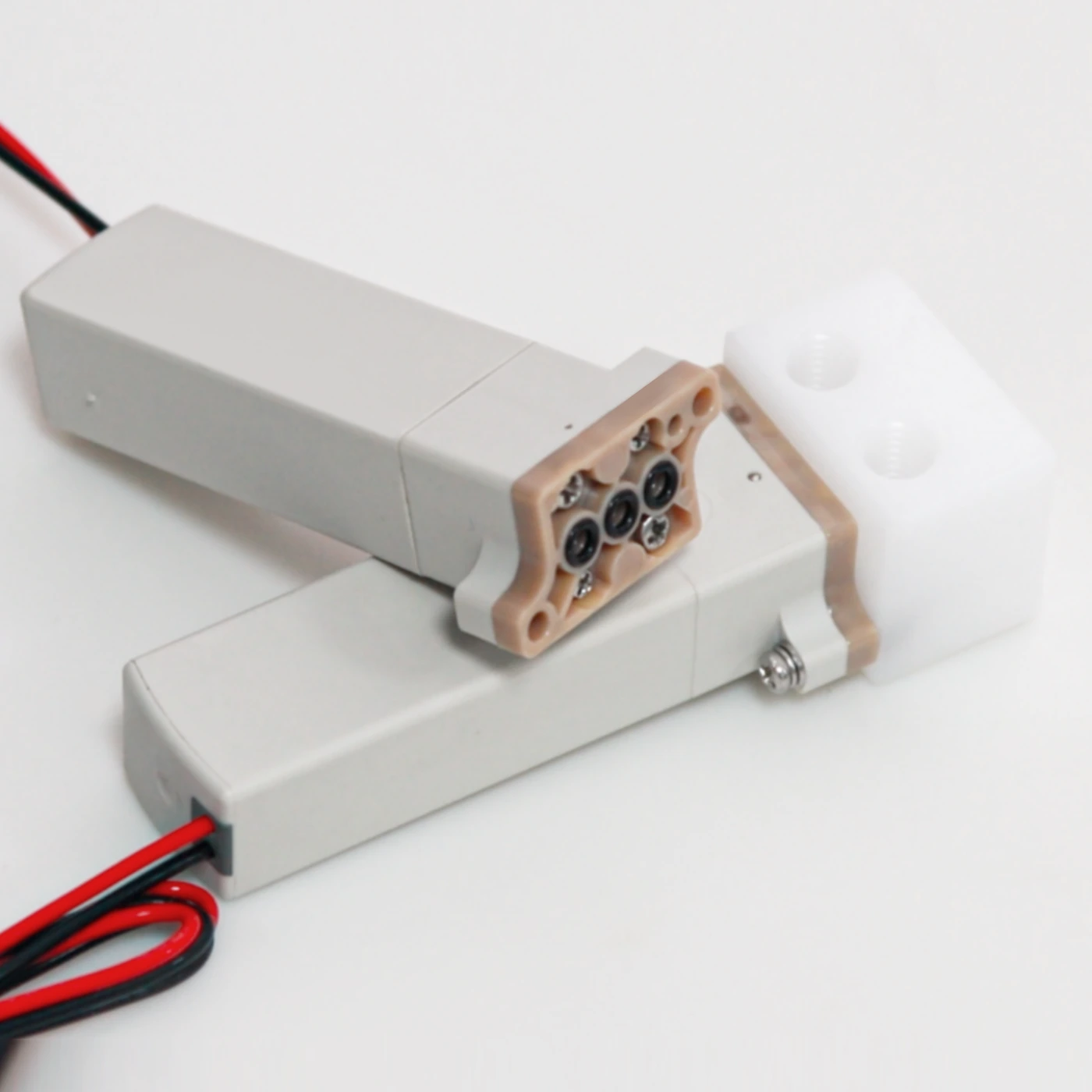
| SV10 solenoid valve | On/off control or branch selection | Check normal state, differential pressure, flow direction and duty cycle; high-pressure tasks require a separately suitable configuration |
Validate operation results at the receiver
Challenge the intended reagent, substrate and wash connections with the actual source-change sequence. Check leakage and backflow, then verify target-liquid arrival and residual effects on the next addition.
Assess assay background after the least favorable source changes permitted by the design. Confirm substrate-path sharing with the actual formulation and method rather than relying on valve closure alone.
Locate abnormalities and restore the next operation
A shared segment can carry a previous reagent or wash fluid into the next addition. Misrouting or backflow can also connect a wash destination to a reaction vessel and alter assay background.
Hold additions to the affected vessels, identify the last source and destination, and determine whether delivery was partial or complete. Restore the correct isolation state and validate shared-path replacement and background before admitting the next reagent.
Path isolation, reagent-volume verification and solid-phase washing are separate checks. A closed valve or correct addition volume does not establish acceptable assay background.